Quick answer: which probiotic should you choose?
Most people do well with a broad-spectrum Lactobacillus + Bifidobacterium blend taken on an empty stomach in the morning, at around 1–10 billion CFU a day — a higher CFU count isn’t automatically better, since no extra benefit has been shown above roughly 50 billion CFU. For a specific need, such as recovering after a course of antibiotics, a targeted, well-studied single strain at a higher dose works better than a random general blend.
- General prevention, beginners: a broad-spectrum Lactobacillus + Bifidobacterium blend, 1–10 billion CFU per day, taken in the morning on an empty stomach.
- During and after a course of antibiotics: an L. rhamnosus GG or S. boulardii strain at 10–20 billion CFU, started the same day as the antibiotic (at least 2 hours apart) and continued for 1–2 weeks after the course ends.
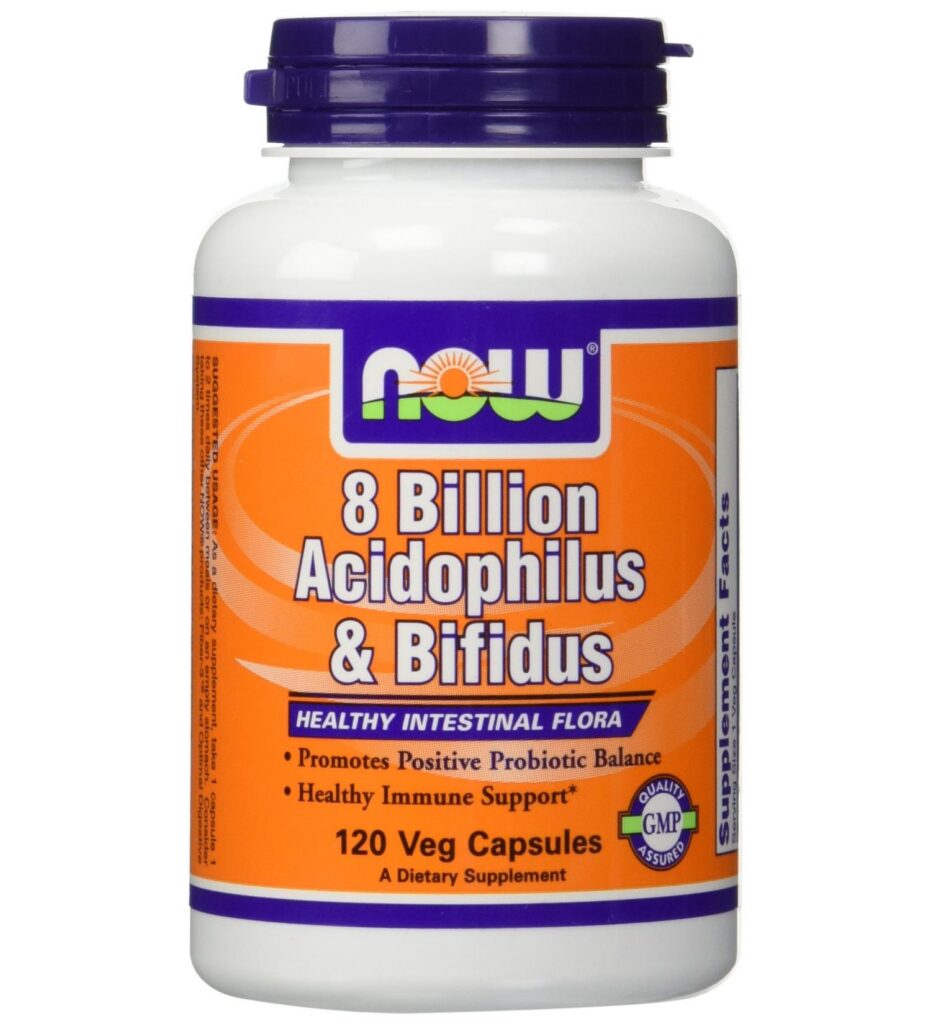
- If you need an actual product: NOW 8 Billion Acidophilus 60 Capsules. or ProB – 36 capsules offer a solid beginner-friendly strain and dose — see the category.
This is not medical advice — if you have a weakened immune system, a chronic digestive condition, or take other medication, check with a doctor before starting.
In stock now: Dietary supplements

Whey Protein 80 1kg – Whey Protein – Iconfit
Whey protein 31,90 € Select options This product has multiple variants. The options may be chosen on the product page
Creatine Monohydrate – 300g – OstroVit
Creatine 9,30 € Select options This product has multiple variants. The options may be chosen on the product page
ICONFIT MASS GAINER (1,5KG)
Mass Gain 22,50 € Select options This product has multiple variants. The options may be chosen on the product page
Probiotics are live microorganisms (mainly bacteria and yeasts) that, when consumed, provide benefits to the host — primarily for gut health, but also for the immune system, skin condition, and even mental health via the "gut-brain axis." Gut microbiome health has been one of the hottest health topics of the past 5 years, and probiotics are a key tool in managing it. In this guide, we explain which bacterial strains to choose, what the optimal CFU (colony-forming units) dose is, when to consume them, and how to combine them with prebiotics and digestive enzymes.
Last updated: September 2026
What are probiotics and how do they work?
The human gut is home to approximately 38 trillion microorganisms, collectively known as the microbiome. These microorganisms perform important functions:
- Digestion of food — bacteria break down fiber that the human body cannot digest on its own
- Vitamin production — especially B vitamins (B12, biotin, folate) and vitamin K
- Training the immune system — 70–80% of the immune system is located in the gut
- Protection against pathogens — good bacteria prevent bad bacteria from attaching to the intestinal walls
- Neurotransmitter production — precursors for serotonin, GABA, and dopamine are produced in the gut
The balance between good and bad bacteria can be disrupted for many reasons: antibiotic treatment, stress, poor diet, alcohol, chronic inflammation. Probiotics aim to restore this balance — by adding live strains of beneficial bacteria (mainly Lactobacillus and Bifidobacterium genera) to the gut.
Uses of probiotics
The list of areas of influence of probiotics is constantly growing with the increase in research. The main areas of use are:
Gut Health and IBS
The effects of probiotics are best documented for inflammatory bowel disease (IBS). A 2020 meta-analysis (Niu et al., 53 studies) showed that probiotics reduced IBS symptoms (abdominal pain, bloating, diarrhea/constipation) by an average of 32% compared to placebo. The strains Bifidobacterium infantis 35624 and Lactobacillus plantarum 299v are particularly effective.
Post-antibiotic recovery
A course of antibiotics kills both bad and good bacteria in the gut. Taking probiotics during and after a course of antibiotics can significantly reduce the risk of antibiotic-associated diarrhea (AAD) — meta-analyses show a 42% risk reduction. Recommendation: Start taking a probiotic the same day you start antibiotics (take at least 2 hours apart from the antibiotic). Continue for 1–2 weeks after the end of the course of antibiotics.
Immune system and colds
Since 70-80% of the immune system is located in the gut, gut health also influences the immune response. A 2015 Cochrane meta-analysis (Hao et al., 13 studies) showed that regular probiotic consumption reduces the risk of upper respiratory tract infections by ~12% and shortens the duration of illness by 0.8 days.
Mental health and mood
The "gut-brain axis" is the hottest area of research in recent times. Gut bacteria produce neurotransmitters (including ~90% of serotonin produced in the gut), influence the brain via the vagus nerve, and produce short-chain fatty acids (SCFA) that cross the blood-brain barrier. Studies show that certain strains of probiotics (so-called "psychobiotics", Lactobacillus rhamnosus, Bifidobacterium longum) can reduce anxiety and symptoms of depression.
Skin condition
The gut-skin axis is strong — inflammation in the gut is often reflected in acne, eczema, and rosacea. Taking probiotics can improve skin conditions, especially acne and atopic dermatitis. The effects are usually seen after 8–12 weeks.
Weight loss and metabolism
Some probiotic strains (notably Lactobacillus gasseri SBT2055) have been shown to have a modest weight loss effect — particularly in terms of reducing visceral fat (fat inside the belly). The effect is not dramatic, but may be part of a broader weight loss strategy.
Probiotic dosing — CFU rationality
The dosage of probiotics is measured in CFUs (colony-forming units). Typical dosages are:
| Purpose | CFU per day | Strain recommendation | When to take |
|---|---|---|---|
| General health (preventive) | 1–10 billion | Lactobacillus + Bifidobacterium combination | In the morning, on an empty stomach |
| Post-antibiotic | 10–20 billion | L. rhamnosus GG, S. boulardii | 2 hours after antibiotics |
| IBS, chronic stomach discomfort | 10–50 billion | B. infantis 35624, L. plantarum 299v | At the beginning of the meal |
| Mental health (psychobiotics) | 10–30 billion | L. rhamnosus, B. longum | In the morning |
| Skin health | 10 billion | L. casei, B. lactis | Long-term (8+ weeks) |
Important recommendations:
- "More CFU ≠ better" — there is no proven additional effect beyond ~50 billion CFU. Quality (right strains) is more important than quantity
- In the morning on an empty stomach — bacteria reach the intestines alive before stomach acid kills them
- Refrigeration — Many probiotics require refrigeration. Always read the packaging (some are stable at room temperature)
- Longevity — the benefits of probiotics require regular consumption (at least 4–8 weeks)
- High-quality packaging — look for products with a colored capsule or a seed-sensitive polymer (protects against stomach acid)
A good quality probiotic contains CFU at the end of its shelf life , not at the time of manufacture — many poor quality products promise "10 billion CFU," but that number is in production and therefore decreases every day. NOW 8 Billion Acidophilus is a reliable choice — a premium American brand, quality guaranteed until the end of its shelf life.
Probiotic strains — which one is for what?
Not all probiotics are created equal. Different strains do different things:
| Strain | Main benefit | Typical dosage |
|---|---|---|
| Lactobacillus acidophilus | Intestinal in general, most common strain, good for beginners | 1–10 billion CFU |
| Lactobacillus rhamnosus GG | Post-antibiotic, children, immunity | 10 billion CFU |
| Lactobacillus plantarum 299v | IBS, flatulence, abdominal pain | 10–20 billion CFU |
| Bifidobacterium infantis 35624 | Relief of all symptoms of IBS | 1–10 billion CFU |
| Bifidobacterium longum | Mental health, lowering cortisol, anxiety | 10 billion CFU |
| Saccharomyces boulardii | Yeast probiotic, post-antibiotic, traveler's diarrhea | 5–10 billion CFU |
| Lactobacillus casei | Immunity, skin conditions, stomach ulcers | 10 billion CFU |
Practical advice: For beginners, the best choice is a broad-spectrum combination (multiple strains in one package) — like NOW 8 Billion Acidophilus , which contains a standard dose of Lactobacillus acidophilus strains. For special cases (IBS, mental health), choose targeted single strains.
Probiotics + prebiotics + digestive enzymes
Probiotics alone are not enough for gut health — they need "food" (prebiotics) and digestive support:
- Probiotics = live bacteria (Lactobacillus, Bifidobacterium, etc.)
- Prebiotics = fiber that feeds good bacteria (inulin, FOS, GOS, psyllium)
- Postbiotics = bacterial byproducts (SCFA, butyrate) — a new field of research
- Digestive enzymes = help break down food (papain, bromelain, lipase, protease)
Combine probiotics with prebiotic-rich foods (onions, garlic, bananas, asparagus, oats) or take a prebiotic supplement separately. If you have digestive problems, take digestive enzymes. NOW 8 Billion Acidophilus does not contain prebiotics, so take it with a high-fiber diet.
Glutamine — restores intestinal walls
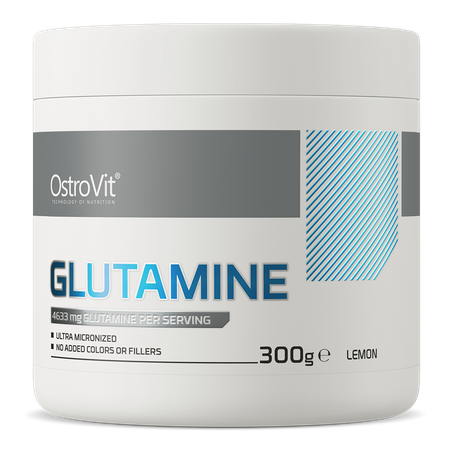
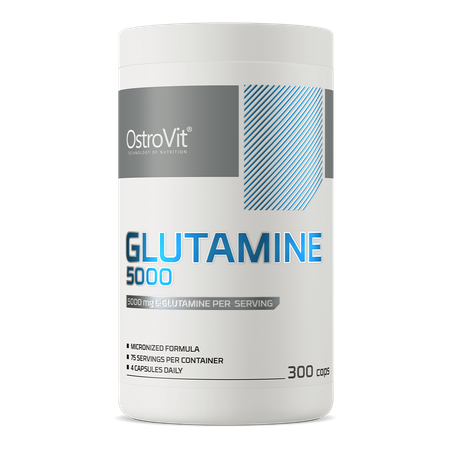
Glutamine is an amino acid that is the main fuel for intestinal epithelial cells. Low levels of glutamine can lead to "leaky gut" syndrome (increased intestinal permeability), which is associated with many chronic diseases. Studies show that 5–10 g of glutamine per day for 4–8 weeks can improve the health of the intestinal walls, especially after prolonged inflammation, a course of antibiotics, or intense exercise.
Side effects and precautions
Probiotics are safe for most people — side effects are rare and mild. However, some situations require caution:
Possible mild side effects
- Initial bloating and gas — for the first 1–2 weeks. This is part of the “adjustment response” as the microbiome adapts to the new strains
- Mild nausea or diarrhea — less common, transient
- Histamine intolerance — some strains (especially Lactobacillus casei, helveticus) produce histamine, which can be a problem for people with histamine intolerance
Who should be careful?
- People with immunodeficiency (HIV, chemotherapy, post-organ transplant) — risk of septic complications
- Major gastrointestinal surgeries — consult a doctor
- SIBO (small intestinal bacterial overgrowth) — probiotics may worsen symptoms; requires specialist evaluation
- Critically ill patients (ICU) — systemic infections have been reported in some cases
Probiotics are very safe for healthy people. If you are unsure, consult your family doctor, especially if you are taking other medications.
Our recommendation: the best probiotic in stock
Why this product?
- 8 billion CFU per capsule — optimal preventive dose for an adult
- Lactobacillus acidophilus — the most common and studied strain, good for beginners
- NOW Foods brand — trusted American manufacturer (since 1968), GMP certified, independent testing
- Stable at room temperature — no need for refrigeration (more convenient when traveling)
- 60 capsules per pack — 2 months supply (1 capsule per day)
Frequently asked questions
Do I have to take probiotics all the time?
It depends on the goal. To maintain overall gut health, a course of 4–8 weeks, 1–2 times a year (in spring and autumn), may be sufficient. In the case of chronic gastrointestinal problems (IBS), longer-term use (3–6 months or more) may be reasonable. It is recommended to take probiotics for at least 1–2 weeks after a course of antibiotics. High-quality fermented foods (kefir, yogurt, sauerkraut, kimchi) also work well in healthy people.
When does the probiotic start to have an effect?
The first changes (better digestion, less bloating) can be noticed in 1-2 weeks. More profound effects (immunity, skin, mental health) appear in 4-12 weeks of regular consumption. IBS symptoms usually take 4-8 weeks to improve.
Are probiotics and antibiotics compatible?
Yes, it is recommended. Antibiotics kill both bad and good bacteria — taking probiotics reduces the risk of antibiotic-associated diarrhea by 42%. Rule of thumb: take your probiotic at least 2 hours after your antibiotic dose (so the antibiotic doesn’t kill the probiotic right away). Continue taking your probiotic for 1–2 weeks after you finish your course of antibiotics.
Which is better — kefir, yogurt, or probiotic capsules?
All three are beneficial, but in different ways. Kefir is the richest — containing 30-50 different strains, including yeast probiotics. Yogurt usually contains only 2 strains (L. bulgaricus + S. thermophilus), but is beneficial when taken daily. Probiotic capsules provide a precise, measured dose of specific strains — especially good for targeted problems (IBS, post-antibiotic). Best strategy: all three combined.
Why isn't my probiotic working?
Reasons:
- Wrong strain — for IBS you need specific strains (B. infantis 35624), not generic Lactobacillus
- Expired or poorly stored product — check the expiration date and storage conditions
- Too short a duration of use — benefits usually appear in 4-8 weeks, not one week
- Wrong dosage — 1 billion CFU is too little for IBS; you need 10+ billion
- Poor gut microbiome — chronic inflammation, overuse of antibiotics, poor diet can prevent new bacteria from taking hold. A broader lifestyle change is needed
Are probiotics suitable for children?
Yes, probiotic strains that are safe for children are Lactobacillus rhamnosus GG and Bifidobacterium lactis. They are especially useful for diarrhea, constipation, and colic. Dose lower (1-5 billion CFU per day). Consult a pediatrician, especially for children under 1 year of age.
Where to buy probiotics?
The Omegafit store has a wide selection — see the full range in Dietary supplements. Popular in-stock options: ProB – 36 capsules. We deliver to Estonia (1–2 business days), Latvia (2–3), Lithuania (2–4) and Finland (3–5); shipping is free over €49. You can also pick your order up in person at OG Gym, Roheline tn 74, Pärnu, Estonia.
Questions? Call +372 5562 2534 or write info@omegafit.ee.