Quick answer: fish oil, algae oil, or flaxseed oil — which should you choose?
Fish oil is the best fit for most people. It delivers EPA and DHA directly, in solid concentrations, and it’s the most thoroughly studied omega-3 source. Algae oil is the only real vegan alternative, since it also supplies EPA and DHA directly — though usually with more DHA than EPA and at a higher price. Flaxseed oil replaces neither, because your body converts its ALA into EPA and DHA at only 5–10% efficiency.
- No dietary restrictions: go with fish oil — it delivers EPA and DHA directly, in solid amounts, and is usually reasonably priced.
- Vegan or vegetarian: go with algae oil — the only plant-based source that supplies EPA and DHA directly instead of relying on ALA conversion.
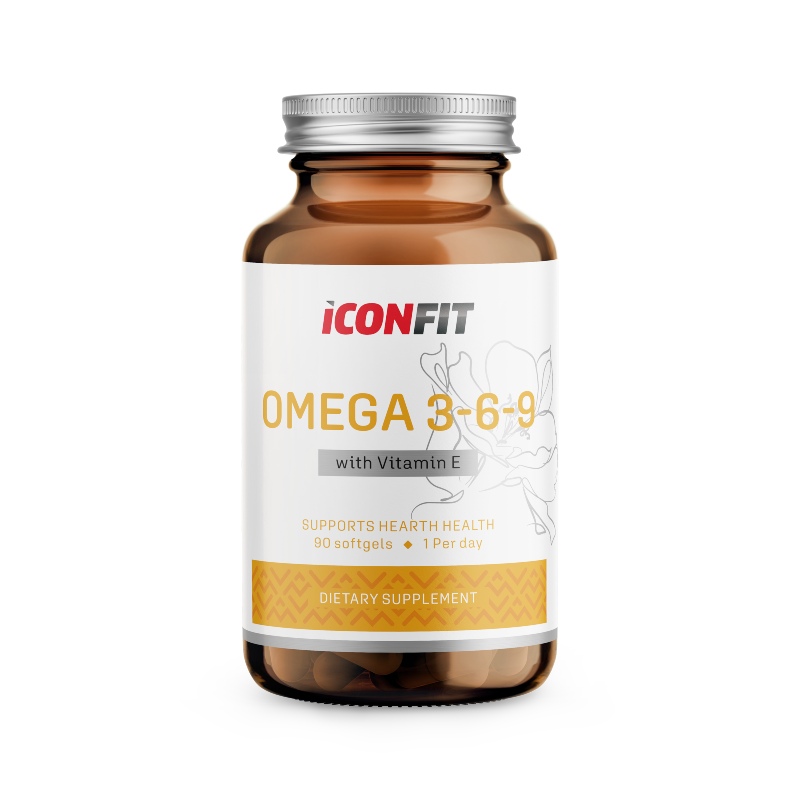
- Best value for money: ICONFIT Premium Omega 3 or ICONFIT Omega 3-6-9 — check out the category.
This overview isn’t personalized nutrition or medical advice; if you have a chronic condition, are pregnant, or take blood-thinning medication, talk to a doctor before increasing your dose.
In stock now: Omega 3
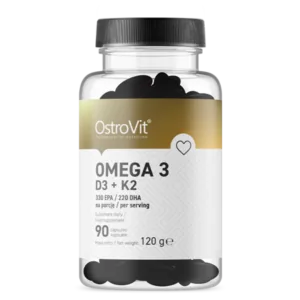
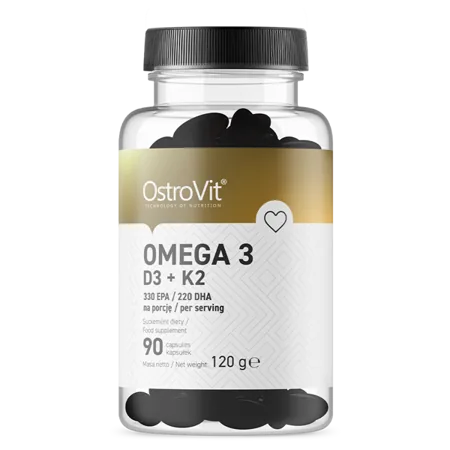
Omega 3 D3+K2 – OstroVit
Dietary supplements 16,90 € Select options This product has multiple variants. The options may be chosen on the product page
Omega-3 fatty acids are essential substances for the human body that the body cannot produce on its own. These long-chain fatty acids — EPA and DHA — play a key role in heart, brain, eye, and joint health. Unfortunately, most people get too little omega-3 from their diet, while consumption of omega-6 fatty acids has skyrocketed in recent decades. In this guide, we explain why omega-3 is so important, how much you need, and how to choose a quality supplement.
Last updated: September 2026
What are omega-3 fatty acids?
Omega-3 fatty acids are essential fatty acids — meaning that the body needs them for vital functions but cannot synthesize them on its own. The main omega-3 fatty acids are:
- EPA (eicosapentaenoic acid) — main anti-inflammatory component, supports the heart and blood vessels, helps regulate mood
- DHA (docosahexaenoic acid) — the main building material of the brain and eyes, accounts for up to 40% of the brain’s fatty acids and 60% of the retinal fatty acids
- ALA (alpha-linolenic acid) — plant-based omega-3, found in flaxseeds and chia seeds. The body can only convert 5-10% of ALA to EPA and DHA, so plant-based ALA is not a substitute for fish oil
EPA and DHA are the ones that the body needs the most and should be obtained from supplements.
EPA vs. DHA — which is more important?
Both are necessary, but their functions are different:
| Property | EPA | DHA |
|---|---|---|
| Main role | Anti-inflammatory effect | Brain and eye structure |
| Heart | Lowering triglycerides | Blood pressure regulation |
| Brain | Mood and depression | Memory and cognitive functions |
| Joints | Strong anti-inflammatory effect | Moderate support |
| Pregnancy | Less important | Fetal brain development |
The ideal omega-3 supplement contains both EPA and DHA. For overall health, it is good to have a balanced ratio of EPA to DHA. If your primary goal is anti-inflammatory effects (e.g. joint problems), opt for a product with a higher EPA content.
Health benefits of Omega-3
The positive effects of Omega-3 fatty acids are one of the most researched topics in the world of supplements. Here are some scientifically proven benefits:
Cardiovascular system
Omega-3 helps lower triglyceride levels in the blood (up to a 30% reduction in high doses), regulates blood pressure and reduces platelet adhesion. The European Food Safety Authority (EFSA) has officially confirmed that EPA and DHA contribute to the normal function of the heart at a dose of 250 mg per day.
Brain and mental health
DHA makes up a large portion of the brain’s gray matter. Adequate omega-3 intake supports memory, concentration, and learning ability. EPA has been found to have a positive effect on mood — several studies show that omega-3 can alleviate the severity of mild depressive symptoms.
Eye health
DHA is a structural component of the retina of the eye. Adequate DHA intake helps prevent dry eye syndrome and supports visual acuity, especially in people who spend a lot of time in front of screens.
Joints and anti-inflammatory effects
Omega-3 (especially EPA) is a powerful natural anti-inflammatory. It is not a substitute for medication, but it can significantly reduce joint stiffness and pain, especially in rheumatoid arthritis and osteoarthritis. For athletes, omega-3 helps reduce inflammation caused by exercise and accelerates recovery.
Skin and hair
Omega-3 helps keep skin moist and supple, reduces inflammation (including acne), and strengthens hair. A deficiency often manifests as dry, itchy skin.
Omega-3 and omega-6 balance
The ideal ratio of omega-6 to omega-3 is approximately 2:1 to 4:1. However, in the modern Western diet, this ratio is often 15:1 to 25:1because we consume a lot of sunflower oil, soybean oil, and processed foods that are oversaturated with omega-6.
Why this matters: Omega-6 fatty acids (especially arachidonic acid) promote inflammation, while omega-3s suppress it. When the balance is heavily skewed toward omega-6, the body is in a state of chronic low-level inflammation, which contributes to heart disease, joint problems, and other inflammation-related ailments.
Two steps: 1) reduce sources of omega-6 — replace sunflower oil with olive oil or coconut oil and eat less processed foods; 2) Increase your omega-3 intake — eat fatty fish 2-3 times a week or take an omega-3 supplement daily.
Omega-3 dosage
It is important to look at the dosage of Omega-3 Amount of EPA + DHA, not the total weight of the capsules. A 1000 mg fish oil capsule may only contain 300 mg of EPA+DHA — the rest is other fats.
Recommended doses
| Target group | EPA + DHA per day | Note |
|---|---|---|
| General health (WHO) | 250–500 mg | Minimum maintenance dose |
| Heart health (EFSA) | 250 mg | Officially confirmed claim |
| Lowering triglycerides | 2000–4000 mg | Under the guidance of a doctor |
| Athletes | 1000–2000 mg | Recovery and anti-inflammatory effect |
| Joint problems | 1500–3000 mg | Higher EPA content preferred |
| Pregnancy | 300–600 mg DHA | To support fetal brain development |
For most people, that’s enough. 500–1000 mg EPA+DHA per dayAthletes and people with joint problems may benefit from a higher dose. Omega-3 is fat-soluble — consume it with food (especially with fat) for better absorption.
Fish oil vs. algae oil vs. flaxseed oil — what to choose?
Omega-3 sources vary significantly in their EPA and DHA content:
Fish oil
The most common and most researched source of omega-3. Contains both EPA and DHA directly. Obtained from the oil of fatty fish (salmon, mackerel, sardines, anchovies). The best choice for most people — high EPA+DHA content, well-researched, affordable price. High-quality fish oil is purified from heavy metals and toxins.
Algae oil (base oil)
A plant-based source of DHA (and to a small extent EPA) derived from seaweed. The only effective vegan alternative to fish oil. Fish actually get their omega-3s from algae too — algal oil goes straight to the source. A clean and sustainable option, but usually more expensive and rich in DHA, less in EPA.
Flaxseed oil
Contains ALA (alpha-linolenic acid), which the body converts into EPA and DHA only 5-10%. Therefore, flaxseed oil is not a sufficient source of EPA and DHA. It is suitable as a supplemental source, but does not replace fish oil or algae oil.
Fish oil is the best choice for most. Algae oil is the best choice for vegans and vegetarians. Flaxseed oil does not replace fish oil because the body cannot produce enough EPA and DHA from ALA.
How to choose a high-quality omega-3 supplement?
The quality of Omega-3 supplements on the market varies greatly. Here are the main indicators to look for:
1. EPA + DHA content per capsule
This is the most important number. Don’t look at the total weight of the capsule (e.g. “1000 mg fish oil”) — look at how much of it is actually EPA and DHA. Cheaper products only contain 180 mg EPA + 120 mg DHA per 1000 mg capsule (300 mg total). Higher quality products provide 500-700 mg EPA+DHA per capsule, which means you need fewer capsules.
2. Purity and heavy metals
Ocean pollution means that fish oil can contain mercury, lead, dioxins and PCBs. Quality manufacturers purify their fish oil through molecular distillation, which removes contaminants. Look for products that have third-party testing (such as IFOS certification).
3. Oxidation (freshness)
Fish oil oxidizes (goes rancid) easily, which reduces its effectiveness and creates an unpleasant taste. Quality indicators are the peroxide value (PV), anisidine value (AV) and TOTOX value. If the fish oil in the capsules tastes more fishy than it should, it may be an oxidized product. Store the capsules in a cool, dark place.
4. Fatty acid form
Fish oil omega-3 comes in two forms: triglyceride (TG) and ethyl ester (EE)The triglyceride form is absorbed up to 70% better than the ethyl ester form. Premium products usually use the TG form, while cheaper products use the EE form.
The best omega-3 products
Omegafit offers a wide range of omega-3 supplements for different needs and budgets. Here are our recommendations:
Classic omega-3 capsules
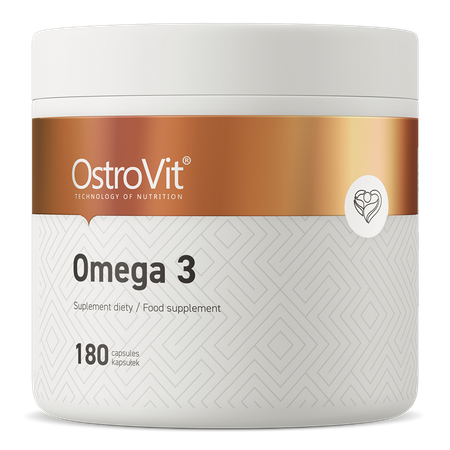
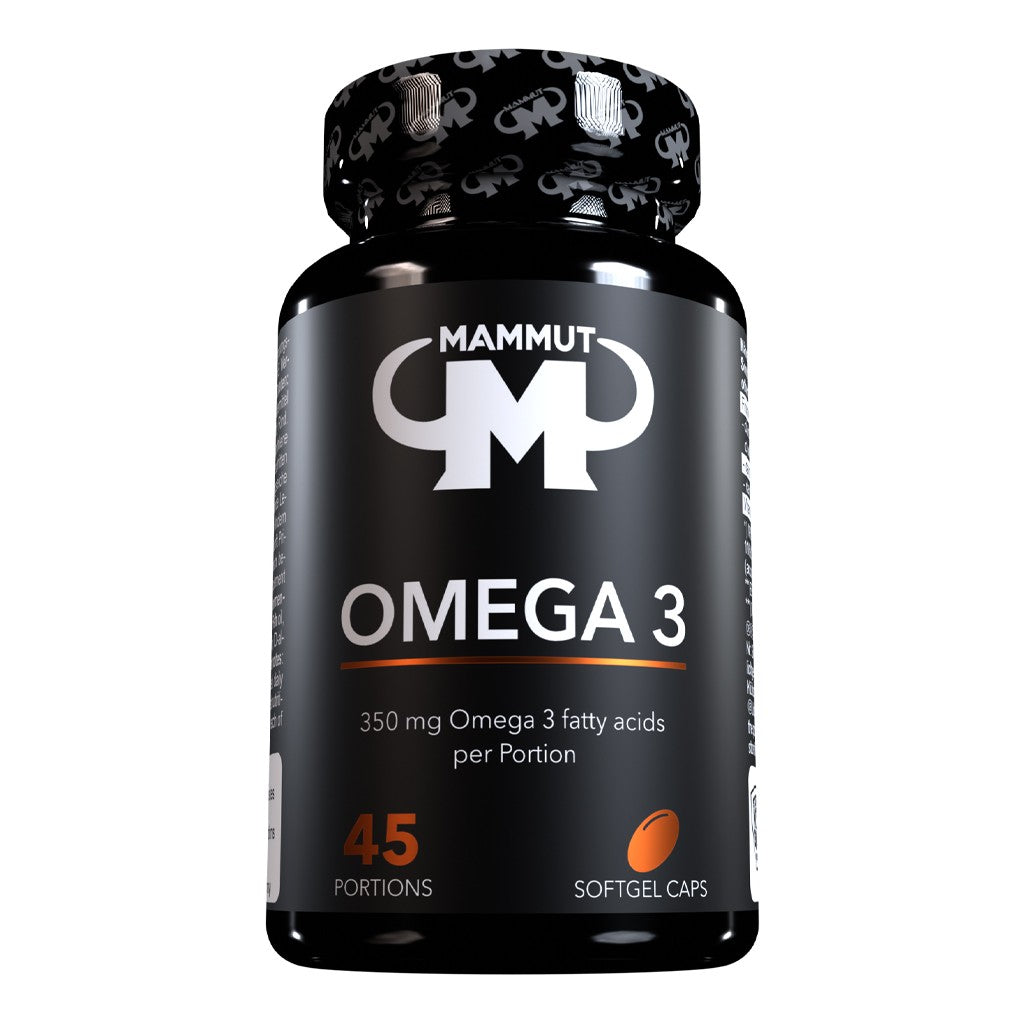
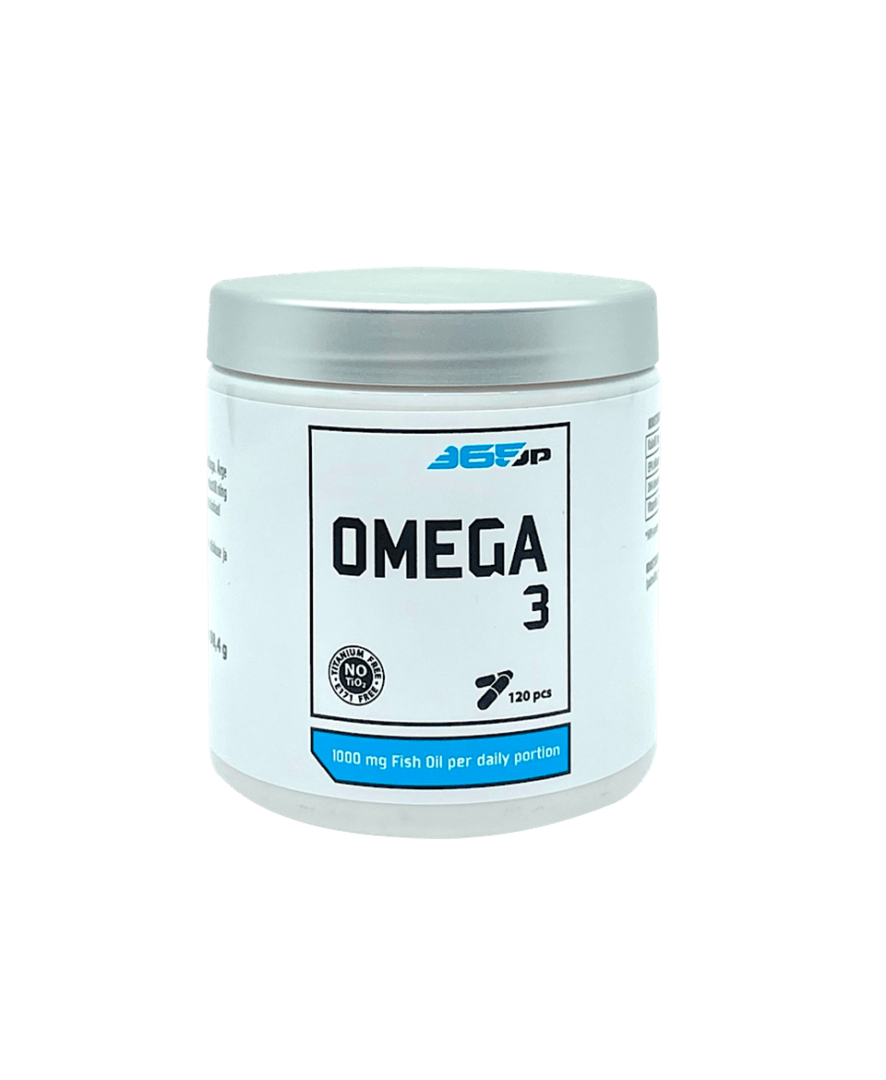
The most popular omega-3 products — high-quality fish oil in convenient capsule form.
Omega-3 combination products
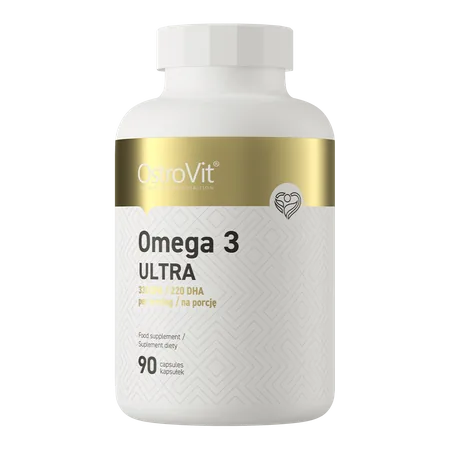
In addition to pure omega-3 capsules, combination products are also available that combine fish oil with other beneficial substances:
Frequently asked questions
How many omega-3 capsules should you take per day?
This depends on the EPA+DHA content of the capsule. If the capsule contains 300 mg of EPA+DHA (a regular fish oil capsule), you will need 1-2 capsules per day to support your overall health. For capsules with a higher concentration, one capsule is sufficient. Always read the EPA and DHA amounts on the packaging and calculate accordingly.
Do omega-3 capsules cause fish burp?
This problem is usually not present in high-quality products. Fishy taste and burping often indicate oxidized (rancid) oil. Solutions: Take capsules with food, store in the refrigerator, and choose a higher-quality product. Enteric-coated capsules dissolve only in the small intestine, which eliminates the fishy taste.
Is omega-3 suitable for children?
Yes, omega-3 (especially DHA) is important for children’s brain development. Lower doses are appropriate for children — typically 250-500 mg EPA+DHA per day depending on age. Omega-3 supplements for children are also available in liquid form and flavored capsules.
Can omega-3 be consumed with other supplements?
Yes, omega-3 goes well with most supplements. A particularly good combination is omega-3 + vitamin D (both are fat-soluble, better absorbed together) and omega-3 + magnesium (together they support the heart and muscles). The only caution: high doses of omega-3 may slightly reduce blood clotting — if you take blood thinners, consult your doctor.
When is the best time to take omega-3 capsules?
Take omega-3 capsules with food, ideally with a meal containing fat — this significantly improves absorption. It doesn’t matter whether in the morning, at lunch or in the evening. Consistency is important — consume every day.
Which omega-3 to choose? Summary
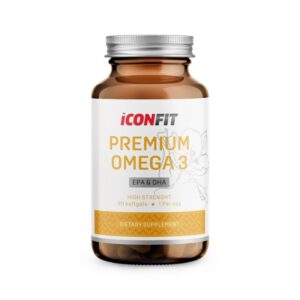
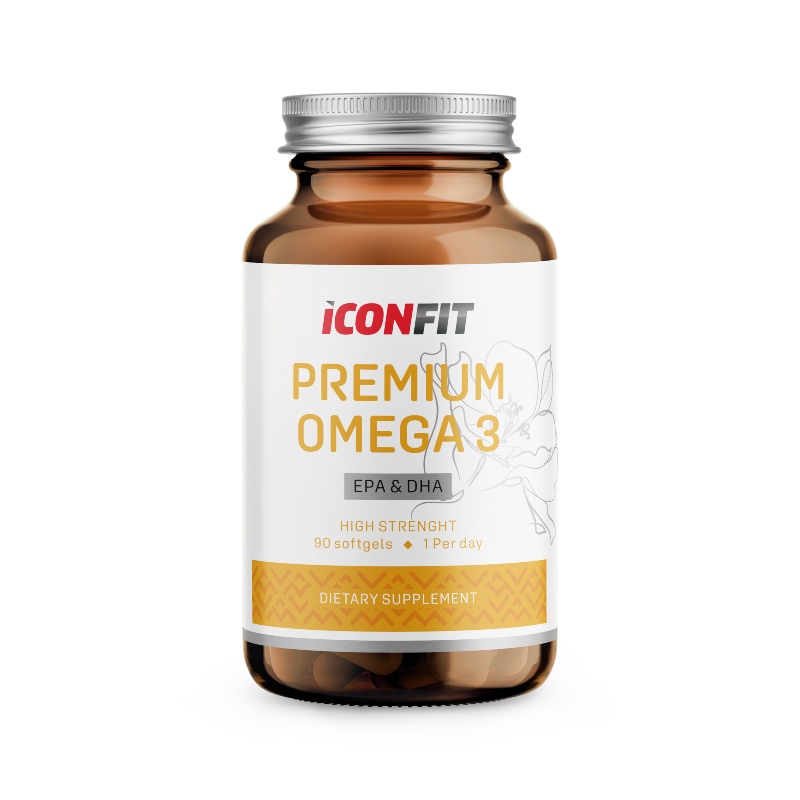
- Our recommendation: ICONFIT Premium Omega 3 (18.90€) — highest purity and EPA+DHA concentration
- Best price: OstroVit Omega 3, 180 capsules (12.90€) — large package, best price-quality ratio
- Omega-3 capsules: Mammut Omega 3 Caps 90 capsules — 90 capsules per package
- Another option: OstroVit Omega 3 Ultra 90 capsules — 90 capsules per package
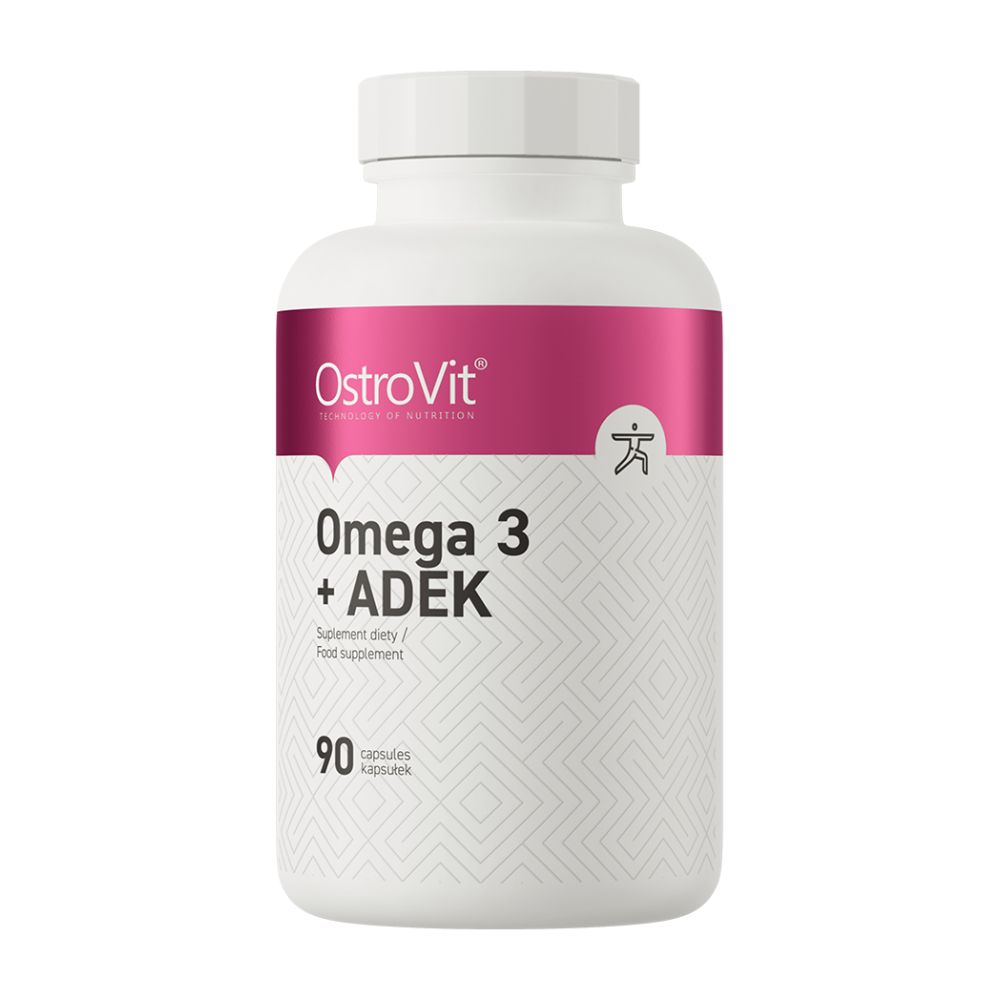
- Complex: OstroVit Omega 3 + ADEK – 90 capsules — omega-3 + fat-soluble vitamins
- Vitamins D and K: Omega 3 D3+K2 – OstroVit — omega-3 + vitamins D3 and K2
You can find all omega-3 products omegafit.ee from the omega-3 category. Orders placed before 6:30 PM will be shipped the same day. Delivery 1-2 business days to Estonia, Finland, Latvia and Lithuania, free shipping for orders over €49.
If you have any questions, call +372 5562 2534 or write info@omegafit.ee — we’ll help you find the right omega-3 supplement for you!
Read other guides too
- Vitamin D Guide — Omega-3 and vitamin D are both fat-soluble — take together
- Collagen Guide — Omega-3 reduces joint inflammation, collagen restores cartilage
- Magnesium Guide — Omega-3 and magnesium both support heart health
- Creatine Guide — Omega-3 reduces post-workout inflammation, creatine speeds up recovery