Vitamin D is one of the most critical nutrients that Estonians experience deficiency in. — Estonia is located at latitudes 57–59, where from October to March the sun is too low for the skin to receive enough UVB radiation to synthesize vitamin D. According to the Health Board, up to 75% of Estonians are deficient in vitamin D during the winter months. In this guide, we explain why vitamin D is so important, how much to take, and which products are best.
Last updated: April 2026
Why is vitamin D so important?
Vitamin D is not actually a classic vitamin, but a steroid hormone produced by the body in the skin when exposed to sunlight. It is involved in dozens of body processes and affects the expression of over 1,000 genes. Main functions:
- Bone and teeth health — Vitamin D is essential for calcium absorption from the intestines. Without vitamin D, only 10–15% of calcium from food is absorbed (30–40% with sufficient vitamin D).
- Immune system — activates T-cells (killer cells) and strengthens the body’s defenses against viruses and bacteria. Several studies link vitamin D deficiency to increased incidence of illness
- Mood and mental health — Vitamin D affects serotonin synthesis in the brain. Deficiency is linked to seasonal affective disorder (SAD), depression, and anxiety
- Muscle function — supports muscle contraction and strength. Deficiency increases the risk of falls and muscle weakness, especially in older people
- Cardiovascular system — studies show a link between vitamin D deficiency and higher blood pressure, heart disease risk
- Cell growth — participates in normal cell division and differentiation
Estonia is located between 57th and 59th latitudes north — this means that from October to March the angle of the sun is too low, so that vitamin D synthesis can take place in the skin. Even in summer, clothing covers a large part of the skin, and sunscreen (which is necessary!) also blocks UVB radiation. Therefore, supplements are the only reliable source of vitamin D for most Estonians at least 6 months of the year — and according to many experts, all year round.
D3 vs D2 — which form is better?
Vitamin D has two main forms:
- D3 (cholecalciferol) — an animal form that the body produces in the skin. Obtained from lanolin in sheep’s wool or from fish. Increases blood levels of vitamin D 2–3 times more effective than D2 and stays in the blood longer
- D2 (ergocalciferol) — plant-based form, obtained from mushrooms and yeast. Poorer bioavailability, breaks down faster in the blood. Suitable for vegans, but the dosage must be significantly increased
Summary: Always choose D3 unless there is a specific reason (e.g. strict veganism) to prefer D2. All of our recommended products contain the D3 form.
Signs of vitamin D deficiency
Vitamin D deficiency often develops slowly and symptoms are non-specific, which is why it often goes undetected. Signs to look out for:
- Constant fatigue and lack of energy — even with enough sleep, you feel exhausted and powerless
- Common diseases — frequent colds, flu, upper respiratory infections, especially in winter
- Bone pain and weakness — back pain, bone pain, increased risk of fractures
- Depression and winter depression — mood swings, loss of motivation, anxiety during the dark season
- Muscle pain and weakness — especially in the legs and hips
- Slow wound healing — wounds and inflammations heal more slowly than usual
- Hair loss — severe hair loss may be related to vitamin D deficiency
If you experience several of these symptoms, it is wise to have your vitamin D levels checked (25-OH-D blood test). The optimal level is 75–125 nmol/L (30–50 ng/mL).
How much vitamin D should you take?
Vitamin D is measured in international units (IU) or micrograms (mcg). 1 mcg = 40 IU.
| Target group | Recommended dosage | Notes |
|---|---|---|
| Adults (general health) | 2000 IU per day | Minimum in winter, many experts estimate year-round |
| Deficiency correction | 4000 IU per day | 2-3 months, then maintenance dose of 2000 IU |
| Athletes and active people | 2000–4000 IU per day | Higher need during intense exercise |
| Older people (65+) | 4000 IU per day | Skin produces less vitamin D, higher risk of bone fracture |
| EU maximum limit (EFSA) | 4000 IU per day | Safe upper limit for long-term consumption |
Practical advice for Estonians: consume 2000 IU per day year-round as a maintenance dose. If your blood test shows a deficiency (below 50 nmol/L), increase to 4000 IU for 3 months and recheck. In the summer, if you spend a lot of time outdoors, you can reduce your dose, but don’t stop completely — even in the summer, most people don’t produce enough vitamin D from the sun alone.
Vitamin D + K2 — why consume them together?
The interaction between vitamin D and vitamin K2 is considered one of the most important synergistic effects in the world of supplements. The reason is simple:
- Vitamin D increases calcium absorption — brings calcium from the intestines into the blood
- Vitamin K2 directs calcium to the right place — in bones and teeth, not arteries and kidneys
Without K2, long-term high vitamin D intake could theoretically lead to calcium deposits in blood vessels. K2 (especially the MK-7 form, which stays in the blood longer) activates osteocalcin, a protein that moves calcium into the bones, and matrix-GLA, a protein that keeps calcium out of the arteries.
Summary: If you consume more than 2000 IU of vitamin D per day, be sure to supplement with K2 (in the form of MK-7). Many products already contain both.
Vitamin D + Magnesium — The Forgotten Connection
A lesser known but equally important interaction is between vitamin D and magnesium between. Magnesium is needed to convert vitamin D into its active form (calcitrol) — without sufficient magnesium, the body cannot fully utilize vitamin D, no matter how much you consume it.
Studies have shown that magnesium regulates vitamin D levels in two ways:
- Increases vitamin D levels in people who are deficient
- Reduces excessively high vitamin D levels (protective effect)
So the ideal combination is: D3 + K2 + magnesiumRead our magnesium guideto find the right magnesium product for you.
The best vitamin D products
In omegafit.ee selection you will find vitamin D products for different needs. Here are our recommendations:
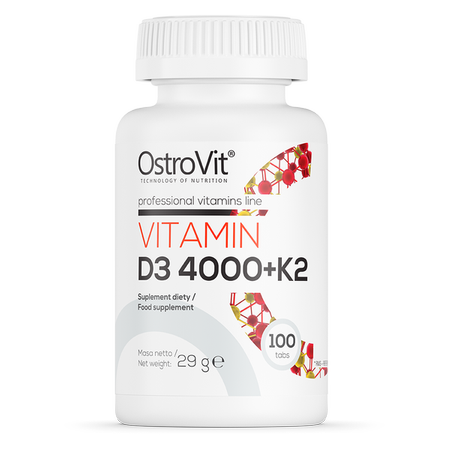
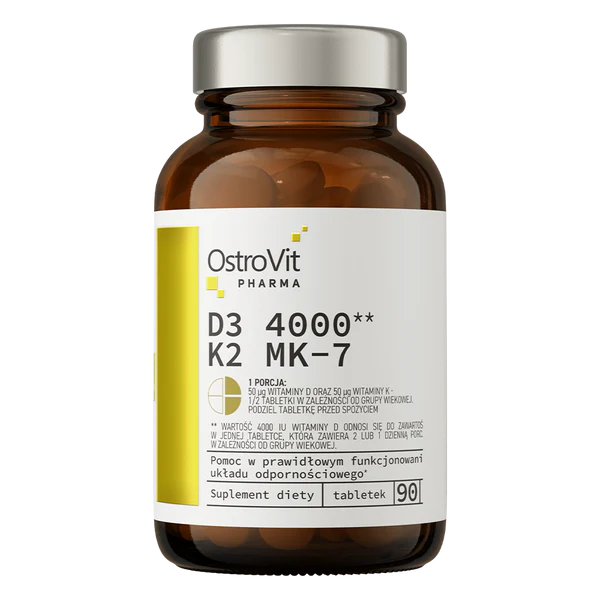
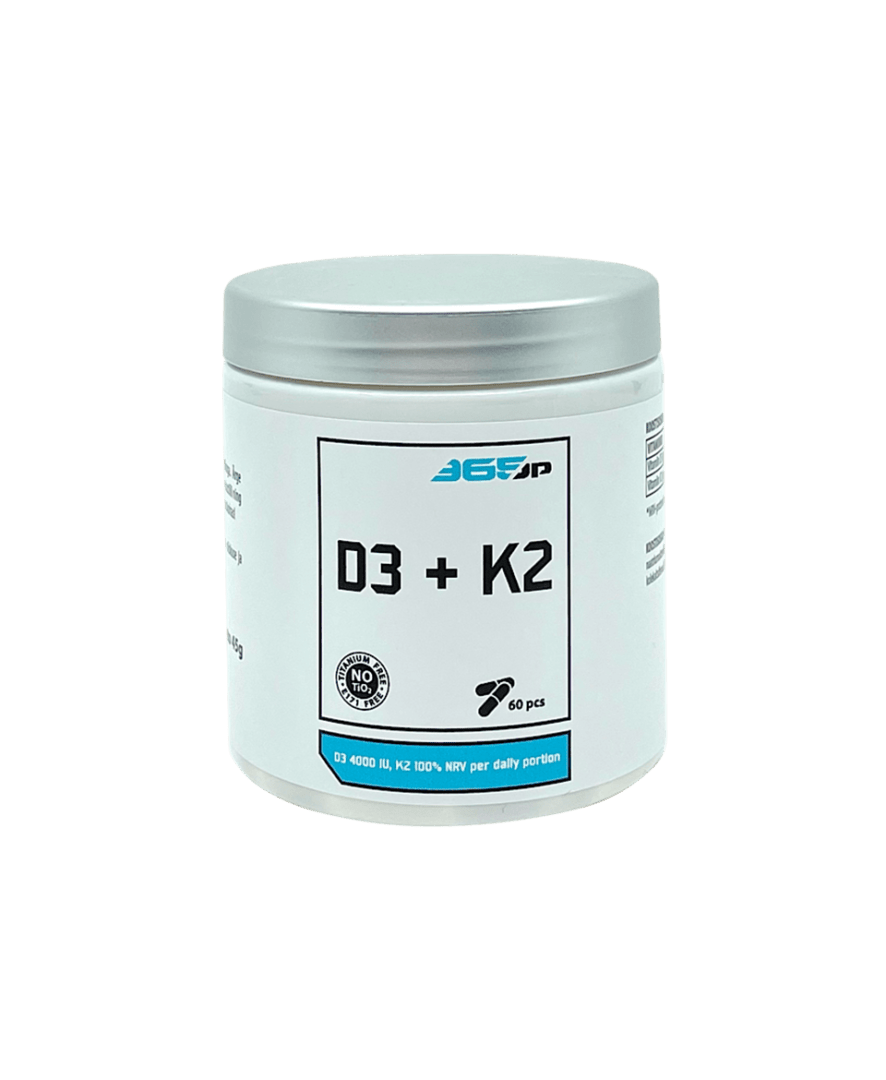
D3 + K2 combo products (our recommendation)
The most sensible choice — vitamin D and K2 in one tablet/capsule, no need to buy them separately.
Pure Vitamin D3 (without K2)
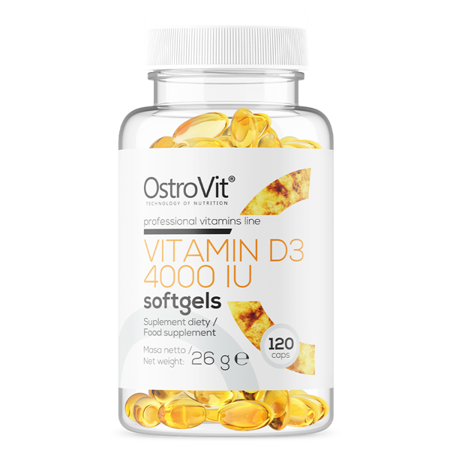
If you are already taking vitamin K2 separately or in a multivitamin, pure D3 is also suitable:
Frequently asked questions
Is 4,000 IU per day safe?
Yes. The European Food Safety Authority (EFSA) has set a safe upper limit for vitamin D. 4000 IU (100 mcg) per day for adults. This is a safe level for long-term consumption. The risk of poisoning only arises with very high doses (over 10,000 IU per day for a long time).
Should you take vitamin D year-round?
For people living in Estonia — yes. From October to March, consumption is essential (the sun is too low). From April to September, the body produces some vitamin D in the sun, but most people do not spend enough time outdoors with exposed skin. A blood test will give an accurate answer — if your level is in the optimal range (75–125 nmol/L), you can reduce the dose to 1000–2000 IU in the summer.
When is the best time to take vitamin D?
Vitamin D is fat-soluble, so consume it with fatty foods (breakfast or lunch). This greatly improves absorption. Avoid taking it in the evening — some studies suggest that vitamin D may interfere with melatonin production and sleep quality.
Can you get enough vitamin D from food?
In practice, not. Foods containing vitamin D (fatty fish, egg yolks, dairy products) usually provide only 100–400 IU per day, which covers only a fraction of the needs. For example, a salmon fillet (100g) contains about 400–600 IU — you would have to eat salmon almost every day to cover the needs. Supplements are the most reliable way.
Does vitamin D help with winter depression?
Vitamin D deficiency is strongly linked to seasonal affective disorder (SAD) and depression. Vitamin D is involved in the synthesis of serotonin in the brain. Several studies have shown that people who consume vitamin D have significantly fewer symptoms of depression. This is not a substitute for professional help for more severe depression, but it is an important part of taking care of your well-being during the winter.
Which Vitamin D Should You Choose? Summary
- Best choice (D3 + K2): OstroVit D3 4000 + K2 (12.00€) — affordable, high dosage, K2 included
- Pharma quality: OstroVit Pharma D3 4000 + K2 MK-7 (10.90€) — minimal toppings
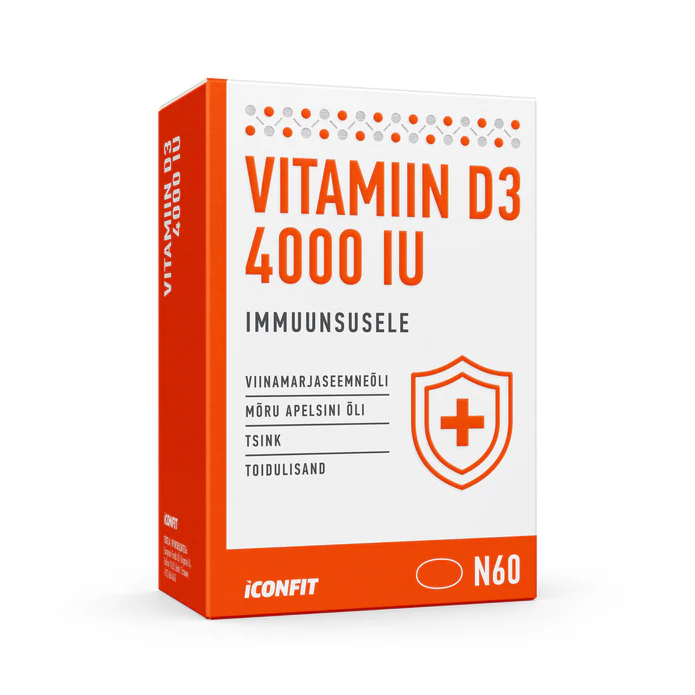
- Estonian brand: ICONFIT D3 4000 IU (13.90€) — in coconut oil, good absorption
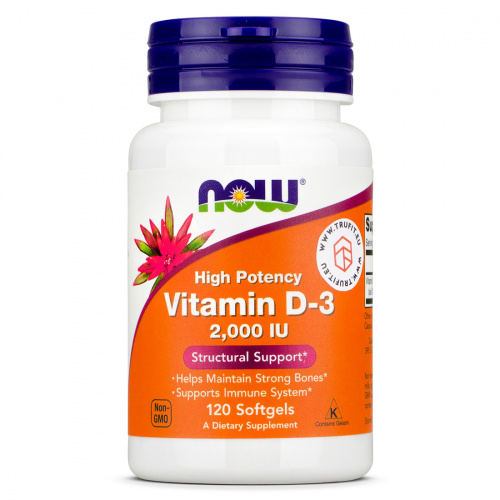
- Favorable maintenance dose: NOW D-3 2000 IU (€6.90) — ideal for a daily dose of 2000 IU
- Large stock (4 months): OstroVit D3 4000 IU 120 capsules (12.00€) — best price per capsule
October–March: D3 4000 IU + K2 daily with breakfast. April–September: D3 2000 IU + K2 with breakfast. Add magnesium (300–400 mg) in the evening — it activates vitamin D and supports sleep. Check vitamin D levels with a blood test once a year (in the fall).
Where to buy vitamin D in Estonia?
omegafit.ee online store has a wide selection of vitamin D products from different brands — OstroVit , ICONFIT , NOW Foods and others. Delivery throughout Estonia with Omniva and Itella parcel machines, usually within 1-2 business days. Orders placed before 18:30 will be shipped the same day.
You can also buy vitamin D products locally from our store. OG Gym in Pärnu (Green 74).
Read our other guides: Magnesium Guide | Creatine Guide
If you have any questions, call +372 5562 2534 or write info@omegafit.ee — we will help you find the right vitamin D for you!
Read other guides as well
- Omega-3 Guide — Vitamin D and omega-3 are both fat-soluble — a great pair
- Magnesium Guide — Magnesium is necessary for the activation of vitamin D
- Zinc Guide — Vitamin D and zinc both support the immune system
- Vitamin C Guide — Vitamin C and vitamin D are the two most important vitamins in the Estonian climate