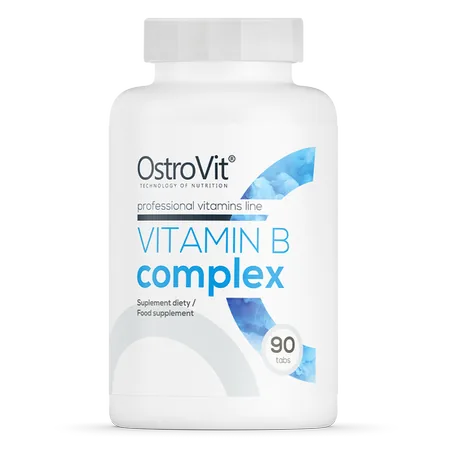
Short answer: B-complex or a single B vitamin?
For most people, a B-complex that covers all 8 B vitamins in one product is the better choice — it prevents deficiency and suits athletes or anyone eating a limited diet. Reach for a single B vitamin only once a specific deficiency (low B12, for example) has been confirmed, or when you need a higher dose of one vitamin such as biotin or folate. Because B vitamins are water-soluble, a complex and a single vitamin can safely be taken together.
- General prevention or a limited diet: choose a B-complex that covers all 8 vitamins in one product.
- A confirmed deficiency (e.g. low B12, or a need for a higher single-vitamin dose): choose the targeted single B vitamin at the dose your doctor recommends.
- Best value for money: Vitamin B Complex – 90 tablets – OstroVit or Methyl B-complex Powder 180g – peachy-orange — see the category.
This overview does not replace medical advice or diagnosis — talk to a healthcare professional if you suspect a deficiency.
In stock now: Vitamin B

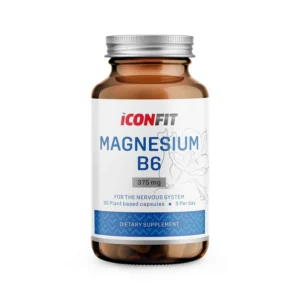

B vitamins are a group of eight water-soluble vitamins that are involved in virtually every metabolic process in the body. — from energy production and nervous system function to red blood cell formation and DNA synthesis. Since the body does not store B vitamins for long periods of time, they must be obtained daily from food or supplements. In this guide, we’ll cover all 8 B vitamins, their functions, signs of deficiency, and recommend the best supplements.
Last updated: September 2026
What are B vitamins?
The B vitamins are eight chemically distinct but functionally related vitamins. Vitamin B was once thought to be a single substance, but it was later discovered that it is a whole group. Therefore, they are numbered from B1 to B12 (some numbers are sometimes missing, because substances originally considered B vitamins later turned out to be non-vitamins).
All B vitamins are soluble in water — this means that the body does not store them in fat tissue and excess amounts are excreted in the urine. The exception is B12, which the liver can store to a certain extent. This is why it is important to get B vitamins regularly from daily food or supplements.
All 8 B vitamins: functions and dosages
B1 — thiamine
Thiamine is necessary for converting carbohydrates into energyIt supports nervous system function and muscle function. Thiamine helps convert glucose into energy, making it especially important for active people.
- Recommended daily dose: 1.1–1.2 mg
- Food sources: whole grains, pork slices, sunflower seeds, peas
- Signs of deficiency: fatigue, irritability, memory problems, weakness in the limbs
B2 — riboflavin
Riboflavin is involved in in energy production and cell protection from oxidative stressIt is also necessary for iron metabolism — it helps the body absorb iron better. B2 supports the health of the skin, eyes, and nervous system.
- Recommended daily dose: 1.1–1.3 mg
- Food sources: dairy products, eggs, almonds, mushrooms, spinach
- Signs of deficiency: cracks in the corners of the mouth, red and irritated eyes, peeling skin
B3 — niacin
Niacin is important energy metabolism, DNA repair and cholesterol regulation It comes in two active forms: nicotinic acid (niacin) and nicotinamide. Nicotinic acid is used to lower cholesterol, while nicotinamide is used to prevent general B3 deficiency.
- Recommended daily dose: 14–16 mg
- Food sources: chicken, tuna, salmon, peanuts, whole grains
- Signs of deficiency: skin disease pellagra (in severe deficiency), fatigue, indigestion, depression
B5 — pantothenic acid
Pantothenic acid is sometimes called the “anti-stress vitamin” because it is necessary for the production of adrenal hormones (cortisol)It is also involved in the synthesis of fatty acids and energy metabolism. The name comes from the Greek word “pantos” (everywhere) — B5 is found in almost all foods.
- Recommended daily dose: 5mg
- Food sources: chicken, beef liver, avocado, mushrooms, sunflower seeds
- Signs of deficiency: rare, but can cause fatigue, insomnia, and indigestion
B6 — pyridoxine
B6 is involved in more than 100 in enzymatic reactions, mainly in protein metabolism. It is important for the production of neurotransmitters (serotonin, dopamine, GABA), the functioning of the immune system and the formation of hemoglobin. Athletes need more B6 than usual because it is involved in the breakdown of glycogen during exercise.
- Recommended daily dose: 1.3–1.7 mg (higher in people over 50)
- Food sources: chicken breast, salmon, potato, banana, chickpeas
- Signs of deficiency: anemia, depression, confusion, weakened immunity
B7 — biotin
Biotin is the best known hair, skin and nail health as a supporter. In addition, it is involved in the metabolism of fatty acids, amino acids and glucose. The popularity of biotin has grown exponentially in recent years, especially in the context of beauty care.
- Recommended daily dose: 30–100 µg
- Food sources: eggs (especially yolks), nuts, salmon, avocado, sweet potatoes
- Signs of deficiency: hair loss, brittle nails, skin rash, fatigue
High doses of biotin (more than 1000 µg per day) may affect the results of certain laboratory tests — such as thyroid and cardiac marker tests. If you have a blood test scheduled, stop taking high-dose biotin at least 48 hours before the test.
B9 — folic acid (folate)
Folic acid is critically important cell division, DNA synthesis and fetal development for. The form naturally found in foods is folate, while folic acid is used in supplements and fortified foods. Some people prefer methylfolate (5-MTHF) because it is the biologically active form that does not require further conversion in the body.
- Recommended daily dose: 400 µg (600 µg for pregnant women)
- Food sources: green leafy vegetables (spinach, kale), legumes, citrus fruits, liver
- Signs of deficiency: megaloblastic anemia, fatigue, irritability, fetal developmental disorders (in pregnancy)
B12 — cobalamin
B12 is unique for several reasons: it is the only B vitamin that the body can store in significant quantities (a liver can last for several years). However, it is only found naturally in animal foods, which is why vegans are at particularly high risk of deficiency. B12 is necessary for the formation of red blood cells, the functioning of the nervous system, and DNA synthesis.
- Recommended daily dose: 2.4 µg (2.6 µg for pregnant women)
- Food sources: meat, fish, seafood, eggs, dairy products (practically absent in plant foods)
- Signs of deficiency: fatigue, weakness, tingling and numbness in the limbs, balance disorders, memory impairment, megaloblastic anemia
Signs of vitamin B deficiency
Because B vitamins often work together in the body, deficiencies in multiple B vitamins can manifest as similar symptoms. Key warning signs:
- Constant fatigue and lack of energy — B vitamins are directly involved in energy production in cells
- Skin problems — cracks in the corners of the mouth, dermatitis, rashes (B2, B3, B6, B7 deficiency)
- Hair loss and brittle nails — often associated with B7 (biotin) deficiency
- Mood disorders — depression, anxiety, irritability (B6, B9, B12 affect the production of neurotransmitters)
- Dizziness and numbness in arms and legs — typical sign of B12 deficiency (nerve damage)
- Anemia — both B9 (folic acid) and B12 deficiency cause megaloblastic anemia
- Memory loss and confusion — associated with B12 deficiency, especially in the elderly
- Weakened immune system — B6 and B12 support the function of immune cells
If you suspect a vitamin B deficiency, consult your doctor. A blood test can determine your B12 and folate levels; other B vitamin deficiencies are more difficult to diagnose with a blood test.
Who needs more B vitamins?
While all people need B vitamins, certain groups are at particularly high risk of deficiency:
- Vegans and vegetarians — B12 is found naturally only in animal foods. Vegans must take B12 as a supplement — it is not a matter of choice, but a necessity. B2, B3, and B6 may also be limited
- Athletes — intense exercise increases the need for B vitamins: B6 is involved in glycogen breakdown, B12 and folic acid in red blood cell production, B1 and B2 in energy metabolism
- Elderly (over 50 years) — B12 absorption from the stomach decreases significantly with age because less stomach acid is produced. Up to 30% of people over 50 are unable to absorb enough B12 from food
- Pregnant and lactating women — the need for folic acid (B9) is critically increased for the development of the fetal nervous system. The need for B12 and B6 also increases
- Alcohol users — alcohol interferes with the absorption of B vitamins and increases their excretion. Thiamine (B1) in particular is at risk
- People with digestive problems — celiac disease, Crohn’s disease, gastric bypass surgery, etc. reduce the absorption of B vitamins
B-complex vs. individual B vitamins — when to use either?
On the supplement shelf, you can find both B-complex (all 8 vitamins in one tablet) and individual B vitamins. When should you choose each?
Choose B-complex if:
- Wishes general B vitamin support and prevent shortages
- You are an athlete and want to cover all B vitamins with one product
- Your diet is one-sided or restrictive (diets, vegan)
- You feel general fatigue and lack of energy.
Choose a single B vitamin if:
- The doctor has identified a specific B vitamin deficiency (e.g. low serum B12)
- You are vegan and specifically need a high dose of B12
- You want a higher dose of biotin (B7) for hair/nails
- You are pregnant and need higher doses of folic acid (B9)
Yes, it is completely safe. For example, you can take a B-complex daily and also take a higher dose of B12 or biotin separately. Since B vitamins are water-soluble, excess amounts are simply excreted in the urine. However, extremely high doses of B6 (over 100 mg per day for a long time) should be avoided, as it can cause nerve damage.
The best B-complex products
Here are our recommendations for B-complex supplements — all available omegafit.ee in the vitamins category:

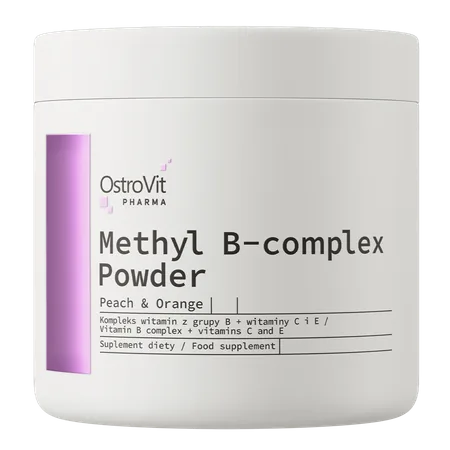
Biotin (B7) — hair, nails and skin
Biotin deserves a separate discussion because it is the most popular single B vitamin in dietary supplements. Biotin is mainly marketed as a supporter of hair, nail and skin health — and to a certain extent, it is justified.
What do the studies say? Biotin supplementation has been shown to help people who have been diagnosed with a biotin deficiency — in which case the condition of their hair and nails will improve significantly. However, there is no convincing evidence that biotin supplements will help people who are not deficient. In other words: if your hair loss is caused by something else (stress, hormones, genetics), biotin alone will not solve the problem.
Who could benefit from biotin?
- People who eat a lot of raw eggs (avidin in raw eggs binds biotin)
- Pregnant and lactating women (biotin needs increase)
- Long-term antibiotic users (affecting intestinal flora)
- Alcohol abusers
- People with genetic biotinidase deficiency
Best Biotin Products
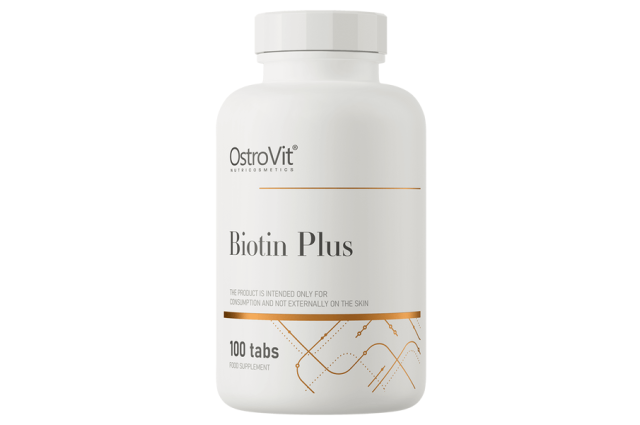
B12 — essential for vegans
B12 is the only vitamin that plant foods contain virtually noThis makes B12 supplementation a must for every vegan and recommended for vegetarians. However, people who eat animal foods can also be deficient — especially the elderly, whose stomachs produce less hydrochloric acid, which is necessary for B12 absorption.
Methylcobalamin vs Cyanocobalamin
B12 in supplements mainly occurs in two forms:
- Cyanocobalamin (cyanocobalamin) — a synthetic, more stable, and cheaper form. The body must convert it into the active form before it can be used. It has been used for decades and is well-studied.
- Methylcobalamin (methylcobalamin) — the biologically active form that the body can immediately use. Some studies suggest that absorption is similar, but the methyl form may be more beneficial for those with the MTHFR gene variant, which makes it difficult to convert cyanocobalamin.
Summary: Both forms are effective and safe. Unless you have a specific absorption problem, either form will work well. Methylcobalamin is preferred if you want to “play it safe.”
Best B12 Products
Dosage and interactions
B vitamins are generally very safe, as excess amounts are excreted in the urine. However, there are some important nuances:
- Best time to take: in the morning with food. B vitamins support energy production, so evening consumption may disrupt sleep in some people
- Yellow urine is normal: B2 (riboflavin) turns urine bright yellow — this is completely safe and simply indicates that the body is excreting excess B vitamins.
- B6 overdose: Long-term use of more than 100 mg of B6 per day can cause peripheral neuropathy (numbness, tingling in the extremities). A standard B-complex contains safe doses
- Drug interactions: B6 may reduce the effect of levodopa (a Parkinson’s disease medication). B9 (folic acid) in high doses may mask B12 deficiency anemia. Always talk to your doctor if you are taking any medication regularly.
- Absorption: B vitamins are better absorbed with food. Absorption of B12 requires intrinsic factor produced in the stomach — in cases of severe deficiency, a doctor may recommend B12 injections.
Frequently Asked Questions
Can an excess of B vitamins be harmful to health?
B vitamins are water-soluble, so excess amounts are typically excreted in urine. However, prolonged intake of very high vitamin B6 doses should be avoided (as it may cause nerve sensitivity), and high doses of vitamin B3 can cause harmless but uncomfortable skin flushing. Always follow the recommended daily dose on the label.
Should B vitamins be taken in the morning or evening?
It is best to take B vitamins in the morning with a meal. Because B vitamins play a central role in converting nutrients into cellular energy, taking them late in the evening may interfere with falling asleep.
Why does urine turn bright yellow after taking B vitamins?
A bright, almost neon yellow color is completely normal and harmless. It is caused by vitamin B2 (riboflavin, from the Latin flavus meaning yellow), which naturally colors urine as unneeded amounts are excreted.
When should I choose a B-complex over a single B vitamin?
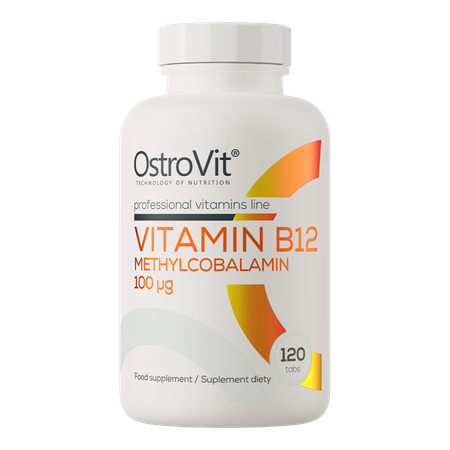
A B-complex is ideal for general energy, busy lifestyles, and well-rounded support, as B vitamins work synergistically. A single B vitamin is best when a specific deficiency has been identified — for example, Vitamin B12 Methylcobalamin 100 µg – 120 tablets for plant-based eaters. For daily all-around support, consider Vitamin B Complex – 90 tablets – OstroVit — explore the B vitamins category.
Where to buy B vitamins?
A wide selection of B vitamins is available in omegafit.ee e-shop. — both B-complex and individual B vitamins (B12, biotin, etc.) from various brands. Delivery to Estonia, Finland, Latvia and Lithuania via Omniva and Itella parcel machines, usually within 1-2 business days.
You can also try the products on site and buy them from our store. OG Gym in Pärnu (Roheline tn 74).
If you have any questions, call +372 5562 2534 or write info@omegafit.ee.
Read other guides as well
- Magnesium Guide — B6 and magnesium are a great combination
- Vitamin D Guide — Vitamin D is the most important dietary supplement in the Estonian climate
- Vitamin C Guide — Vitamin C complements the antioxidant effects of B vitamins
- Creatine Guide — Creatine and B vitamins both support energy metabolism