Short answer: what is cream of rice, and when should you have it around training?
Cream of rice is a quick porridge made from finely ground rice that provides easily digestible carbohydrates without much fibre. It suits a pre-workout meal when you want something light that digests quickly. For a regular session of up to about an hour, ordinary food is enough for most people, because separate fast carbohydrates are usually not needed.
- Before training (1.5-3 hours): rice porridge or oat porridge tops up glycogen stores and stays light on the stomach.
- During and after training: maltodextrin, dextrose or a blend of the two is mainly useful for long sessions (over 60-90 minutes) or when there is little recovery time between two workouts.
- Where to start: OstroVit Cream of Rice 1kg or Applied Nutrition Cream of Rice 1000 g for porridge, OstroVit Maltodextrin 1000 g for a drink.
This is general information, not medical advice. If you have diabetes, a metabolic condition or special dietary needs, talk to a doctor or dietitian before using these products.
In stock now: Breakfast
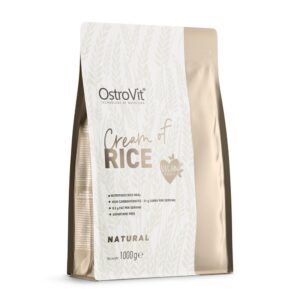
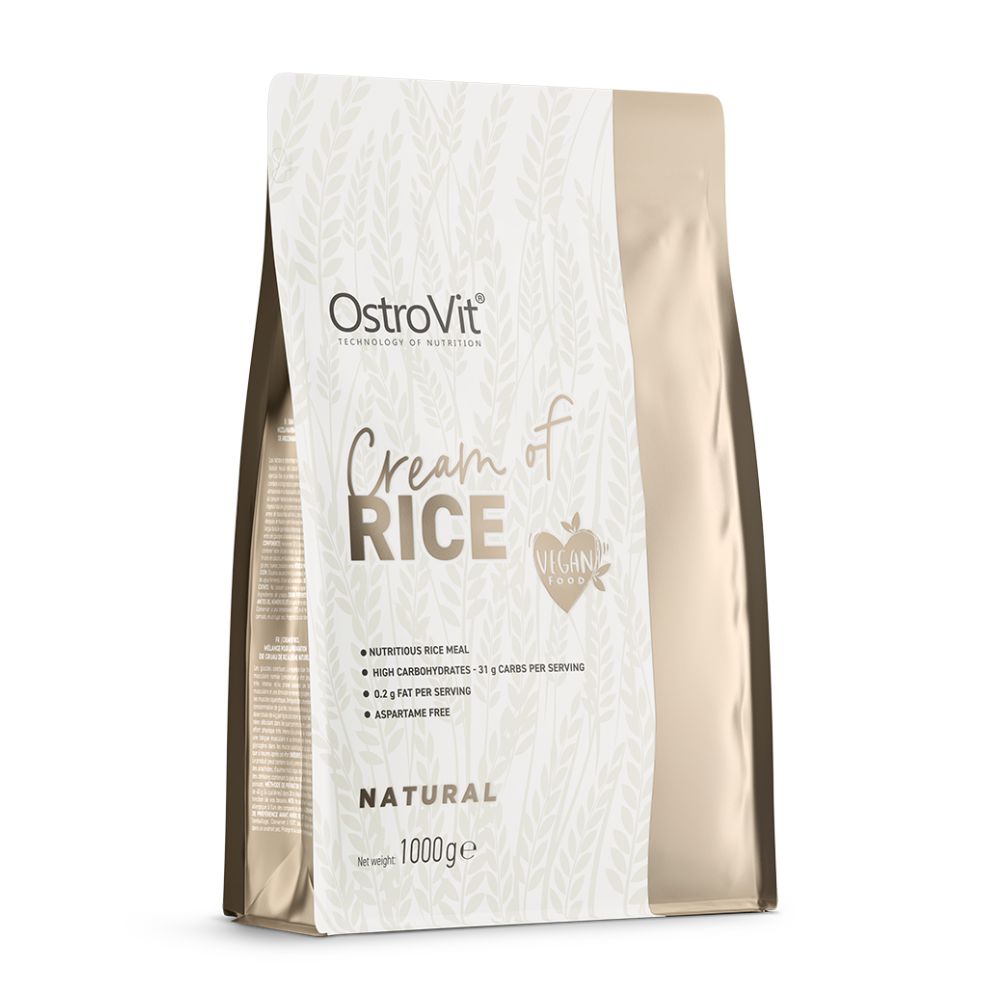
OstroVit Cream of Rice 1kg
Breakfast 9,90 € Select options This product has multiple variants. The options may be chosen on the product page
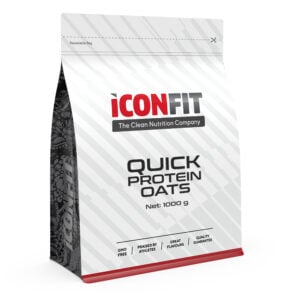
ICONFIT Quick Protein Oats (High Protein Quick Oats 1KG)
Breakfast 12,50 € Select options This product has multiple variants. The options may be chosen on the product page
Carbohydrates are the main fuel for gym and endurance training, but most people do not need special powders to get them. Depending on the length and intensity of your session and when you eat, a simple bowl of rice porridge can be more practical than a banana or a bread roll, and maltodextrin easier than sugar water. In this guide we compare rice, oats, maltodextrin and dextrose and help you choose what fits your day.
What is cream of rice and why do people use it?
Cream of rice is a porridge powder made from finely ground rice. You pour hot water or milk over it, stir, and within a few minutes you have a warm porridge. Unlike rolled oats, it contains very little fibre and protein, so it is digested quickly and is less likely to cause a heavy feeling in a sensitive stomach than wholegrain food. That is why many gym-goers use it as a pre-workout meal, especially before a morning session when appetite is low.
Plain rice porridge has a neutral taste, so it pairs well with protein: add protein powder, some berries or banana, cinnamon or cocoa. That way you control how many carbohydrates and how much protein each portion provides. According to the shop’s own description, OstroVit Cream of Rice 1kg contains only natural sugars and is suitable for vegans.
Honestly, rice porridge is not a miracle food. You can get the same amount of energy from ordinary rice, potatoes or bread. Cream of rice is a convenience option, not a necessity, and its advantages are speed, easy digestibility and an exactly measurable portion.
Rice, oats, maltodextrin and dextrose: how to choose
These four sources differ mainly in how fast they are digested, how much fibre they contain and how they are used. The table below helps you compare them.
| Source | What it is | Suits | Limitation |
|---|---|---|---|
| Cream of rice | Finely ground rice porridge | A pre-workout meal when your stomach is sensitive | Provides little protein and fibre, not a drink format |
| Oats and protein oats | Wholegrain or protein-enriched porridge | Breakfast, or a pre-workout meal 2-3 hours before | More fibre, which can feel heavy on a sensitive stomach |
| Maltodextrin | A powder made of glucose chains, only mildly sweet | As a drink during or after training | Carbohydrates only, does not make a complete meal |
| Dextrose | Pure glucose (grape sugar) | A fast carbohydrate source during long sessions or recovery | Very sweet, large amounts may upset the stomach |
| Blend (maltodextrin and dextrose) | A ready-made blend powder with electrolytes | Long or repeated training sessions | Often unnecessary for regular training |
In practice: if you prefer food, choose rice or oats. If you prefer a drink, choose maltodextrin, dextrose or a blend of the two. Maltodextrin is usually less sweet and easier to drink in larger amounts, while dextrose is pure glucose and sweeter. Both are absorbed quickly and raise blood sugar; both are simply carbohydrate sources and have no special effect of their own.
Who fast carbohydrates suit, and who they do not
Who they often suit
- Long sessions: when training lasts more than 60-90 minutes, studies suggest that taking carbohydrates during exercise helps maintain performance.
- Two sessions a day: when the gap between workouts is short, a fast carbohydrate source helps replenish glycogen stores more quickly.
- Morning training: if you do not feel like regular food on waking, rice porridge or a light drink is an easier solution.
- High energy needs: if you train a lot and struggle to get enough carbohydrates from ordinary food, a liquid or powder source is more convenient.
Who they do not suit, or who should be careful
- Most recreational trainers: for a regular session of up to an hour, ordinary food is enough. Separate powders are usually not needed.
- Diabetes and prediabetes: fast carbohydrates raise blood sugar quickly. Talk to your doctor before using them.
- A sedentary day: if you are not moving much, adding fast carbohydrates is not justified.
- Dental health: frequently sipping sugary drinks puts strain on tooth enamel, so rinse your mouth with water.
- Sensitive stomach: a large amount of dextrose or maltodextrin at once may cause bloating or loose stools. Start with a small portion.
How to use carbohydrates around training
The exact amount depends on body weight, session length and goal. The guidelines below are general ones used by sports organisations, not personal advice.
- 1.5-3 hours before training: porridge or another light, carbohydrate-rich meal. Rice porridge works if oats feel heavy. Add a little protein.
- Immediately before (within 30 minutes): a small amount of fast carbohydrates, for example maltodextrin in a drink, if you are hungry and have no time to eat. Some people get dizzy or tired from it, so try a small amount first.
- During training (over 60-90 minutes): studies suggest a typical range of 30-60 g of carbohydrate per hour. Very long endurance sessions use more, but then the gut has to be trained for it.
- After training: if your next session is close (under 8 hours), a combination of carbohydrates and protein helps recovery. Otherwise a regular meal is enough.
An important tip: do not experiment on competition day. Try a new carbohydrate source in an ordinary workout to see how your stomach reacts. Do not forget fluids and electrolytes during long sessions, because carbohydrates do not replace them.
Our recommendations: carbohydrates and porridges
The Omegafit range includes both porridge powders and carbohydrate powders meant for drinks. Below are the products we picked, each with a short description.

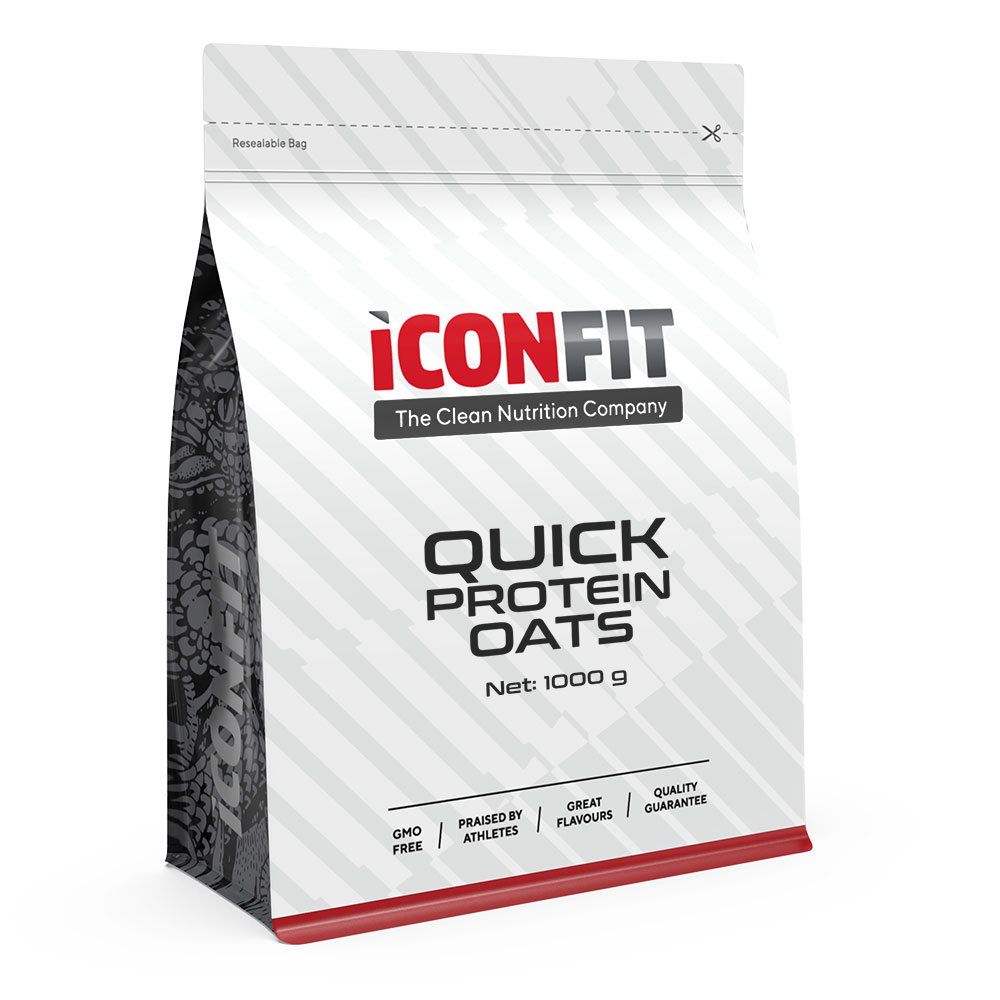
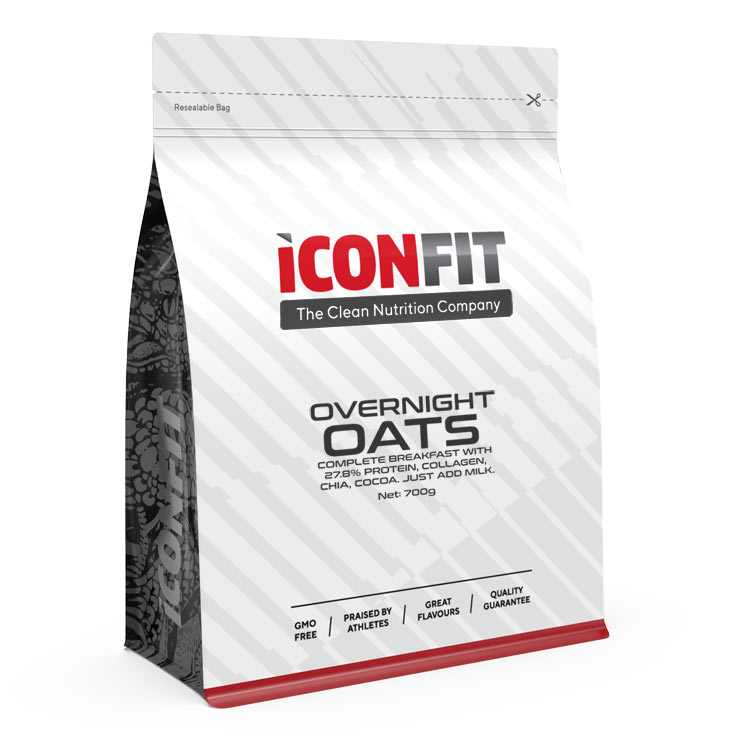
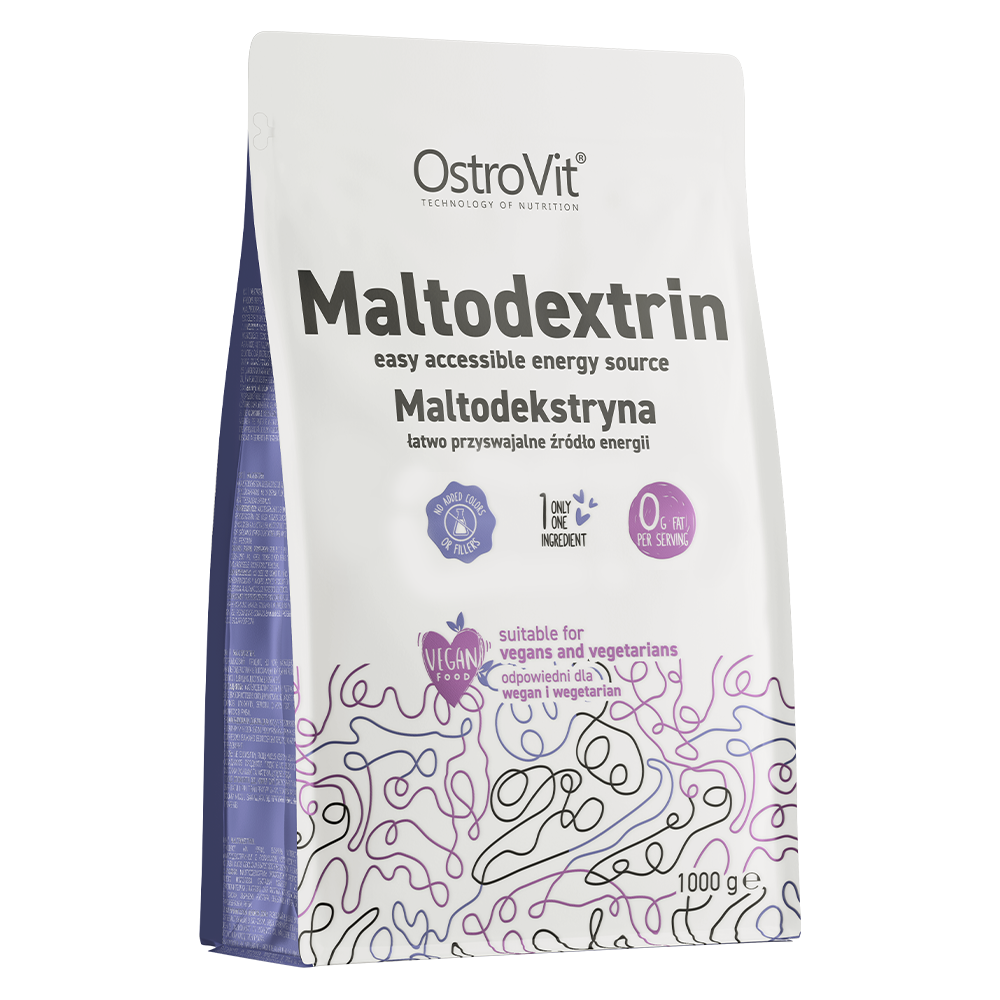
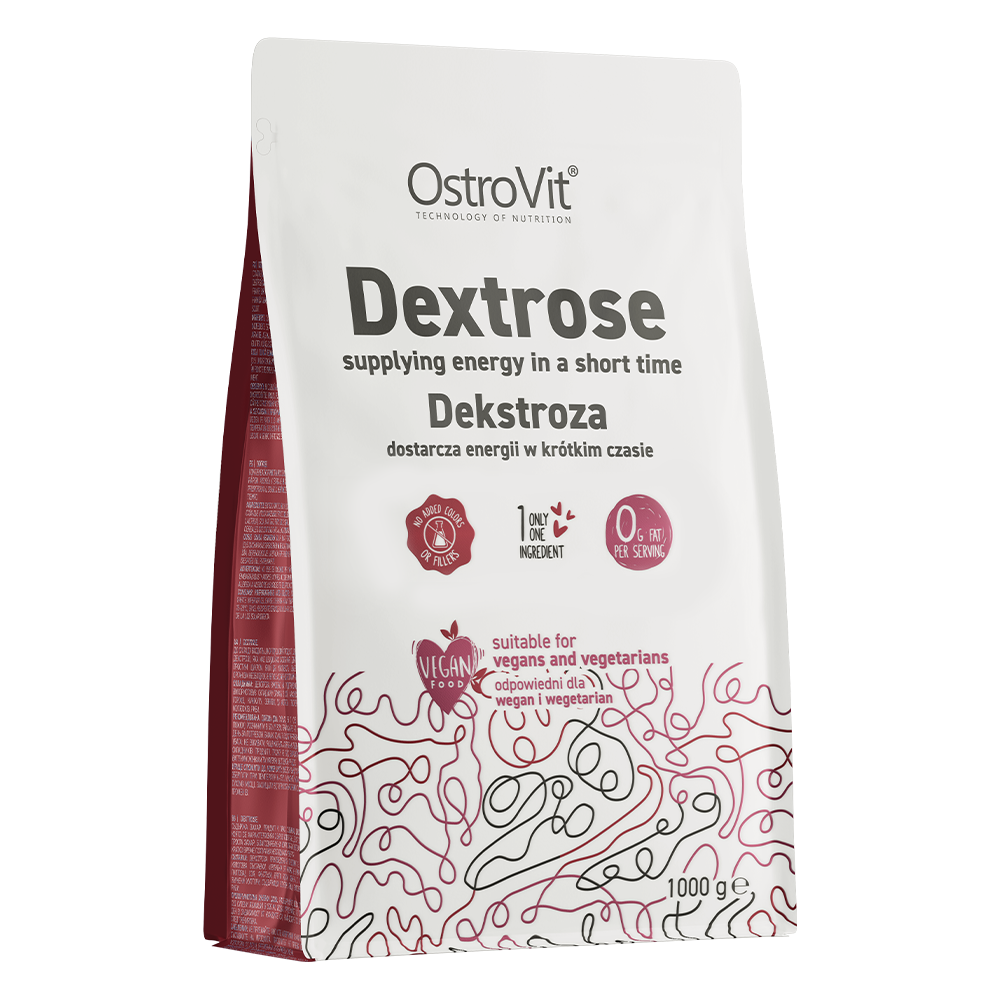
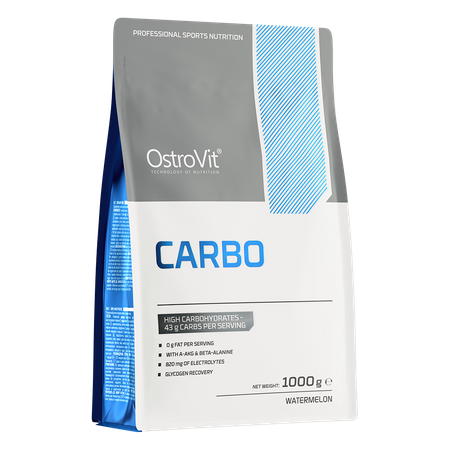
How to choose: if you want a light, warm porridge, start with rice. If you want protein in the same meal, choose the protein quick oats or the overnight oats. If you train for a long time and need a drink, take maltodextrin, dextrose or the ready-made blend Carbo 1000G.
Frequently asked questions
What is cream of rice?
Cream of rice is a porridge powder made from finely ground rice, prepared by adding hot water or milk. It has a neutral taste, little fibre and is easy to digest. Athletes use it as a carbohydrate source around training.
Is cream of rice better than rolled oats?
Not better, just different. Rice porridge is lighter and gentler on the stomach, while oats provide more fibre and keep you full for longer. If oats feel heavy before training, try rice. If you want to stay full for longer after eating, oats are a good fit.
Is maltodextrin better than dextrose?
They are simply two carbohydrate sources. Maltodextrin is less sweet and more comfortable to drink, while dextrose is pure glucose and sweeter. Many people use a blend of the two. The choice is more about taste and stomach tolerance than effectiveness.
Does every trainer need fast carbohydrates?
No. For a regular session of up to about an hour, ordinary food is usually enough. Fast carbohydrates become useful for long and intense sessions, repeated sessions, or very low appetite. If your goal is to change body weight, look at your total energy intake for the whole day, not just the workout.
Does rice porridge make you gain weight?
No single food decides your weight. Weight change depends on your energy balance over the whole day. Carbohydrates are not special in that sense, but powders can add calories unnoticed, so measure your portion and count it towards your daily total.
Is cream of rice suitable for vegans?
According to the shop’s description, OstroVit Cream of Rice is suitable for vegans. For other porridges, check the ingredients: products containing collagen, such as the ICONFIT porridges, are not vegan, because collagen is of animal origin.
Can a person with diabetes use maltodextrin or dextrose?
These powders raise blood sugar quickly, and their use should be agreed with a doctor beforehand. The same applies to rice and oat porridge, because the amount and timing need to be matched to the advice of your doctor or dietitian.
In short: start with simple food, add powders only when the length of your session or your daily schedule really calls for it, and watch how your stomach responds.