Short answer: BCAA or EAA?
If you want to top up your protein supply with amino acids, EAA is the more logical choice than BCAA, and if your daily protein intake is already sufficient, you may not need either. BCAA is three amino acids (leucine, isoleucine, valine), while EAA covers all nine essential amino acids that the body cannot make itself. Building muscle protein requires all of them, not just three.
- Sufficient protein intake (fish, meat, eggs, dairy, whey protein): an amino acid supplement adds little extra value, because food already supplies everything needed.
- Training fasted or eating little protein: an EAA powder makes more sense here than plain BCAA.
- Our recommendation: OstroVit EAA 600g for the full spectrum, or OstroVit BCAA 2:1:1 200 g – lemon if you prefer classic BCAA.
This is general information, not medical advice. Consult a doctor or pharmacist before use, especially if you are pregnant, breastfeeding, taking medication or have kidney or liver disease.
In stock now: Amino acids
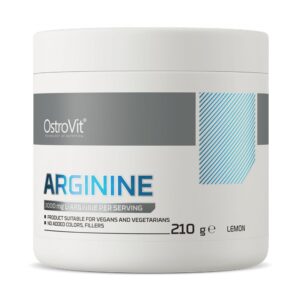
OstroVit Arginine 210g
Amino acids 10,45 € Select options This product has multiple variants. The options may be chosen on the product page
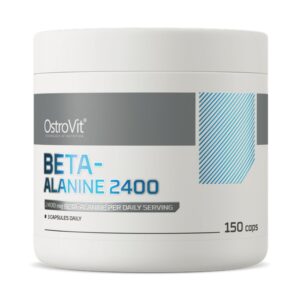
OstroVit Beta-Alanine 2400 mg 150/300 capsules
Amino acids 9,90 € Select options This product has multiple variants. The options may be chosen on the product page
BCAA and EAA often sit side by side on the shelf, and both are marketed to people who train. The real difference is large, though: one pack contains three amino acids, the other all nine essential ones. In this guide we explain what each contains, what studies say, who an amino acid supplement makes sense for at all, and how to choose based on your training and diet.
Last updated: October 2026
What is the difference between BCAA and EAA?
Proteins are made of amino acids. Nine of them are essential (EAA): the body cannot produce them itself, so they must come from food. These include the three branched-chain amino acids, or BCAA (leucine, isoleucine and valine), plus six more: histidine, lysine, methionine, phenylalanine, threonine and tryptophan.
Leucine plays an especially important role in signalling muscle protein synthesis, which is why BCAA became famous in sport. Studies suggest, however, that BCAA alone is not enough: building new muscle protein also requires the remaining essential amino acids. If they are not available in sufficient amounts, their shortage limits muscle synthesis even when there is plenty of leucine.
BCAA is like three kinds of material on a building site that needs nine. Work can start, but the wall will not be finished if the other six are missing. EAA brings the whole set to the site.
How to choose: comparison table
The table below helps you decide which form fits your situation. The forms differ in composition, convenience and how much of the work your diet is already doing for you.
| Form | What it contains | Suits | Note |
|---|---|---|---|
| BCAA 2:1:1 | Leucine, isoleucine and valine in a 2:1:1 ratio | Sipping during training if you want the classic option | Does not contain the other essential amino acids |
| BCAA 8:1:1 | Leucine-rich ratio | Those who prefer a leucine-heavier ratio | The remaining amino acids are missing here too |
| EAA | All nine essential amino acids | Fasted training, low protein intake | A more complete profile; the taste is often more bitter |
| Amino acid capsules or tablets | BCAA or protein hydrolysate, depending on the product | If you dislike the taste of powder or need something portable | Filling a full serving takes several pieces |
| Amino acid complex with caffeine | Amino acids plus a stimulant | Morning or daytime training when you want an energy boost | Caffeine is not suitable for the evening, for sensitive people or during pregnancy |
Practical rule: if you choose only one amino acid product, choose EAA. Pick BCAA if you like its flavour, price or serving format and your daily protein intake is adequate anyway.
Do you need amino acids at all?
The honest answer is this: most adults who train and eat enough protein do not need a separate amino acid supplement. Complete protein (meat, fish, eggs, dairy, whey protein) already contains all the essential amino acids, including BCAA, in ready-made form. A normal serving of whey protein, for example, provides an amount of leucine comparable to a BCAA serving, plus all the other essential amino acids.
Studies suggest the added value of amino acids is limited when your daily protein intake is adequate for your training and body weight. In narrower situations where protein is hard to get, a supplement may be of practical help, but even there the evidence is limited. The quality and results of the studies are debated, and any effect is usually small. Amino acids do not replace training, sleep or your overall diet.
Who amino acids suit and who should skip them
An amino acid supplement can be of practical help to people who:
- train in the morning on an empty stomach and do not want to eat beforehand;
- follow a plant-based diet and get little complete protein per day;
- are in a calorie deficit and get little protein from food;
- need a light liquid option during a long session when solid food does not work;
- simply want a tasty drink powder that helps them drink more water.
People who probably do not need amino acids are those who eat enough protein every day and already use whey protein or other protein powders. If you spend money on BCAA while getting little protein, it is more effective to put that money into food and protein powder first.
Cautions: pregnant and breastfeeding women, people with kidney or liver disease and people taking medication should talk to a doctor before using a supplement. Amino acid blends with caffeine are not suitable for caffeine-sensitive people, for evening training or during pregnancy. Do not exceed the serving stated on the pack: a larger amount does not mean a better result, and the long-term effects of large amounts of individual amino acids have not been studied sufficiently.
How to use amino acids
- Timing: one serving before or during training, and a second one afterwards if needed. If you eat a proper meal before training, an extra serving is often unnecessary.
- Amount: always follow the serving size printed on the product pack. In our range, for example, the BCAA 2:1:1 product has a 10 g serving and the 8:1:1 product a 5 g serving, so the products cannot be compared gram for gram.
- Dissolving: shake the powder thoroughly with water in a shaker.
- Protein first: amino acids are an add-on, not a staple. Keep your focus on protein-rich food.
- Trial period: give the supplement a couple of weeks and honestly assess whether you notice a difference. If not, you can calmly drop it.
Our recommendations: BCAA and amino acid products
Our range includes both classic BCAA and full-spectrum EAA. The right product depends on whether you want a powder, capsules, a caffeine-containing option or protein hydrolysate tablets:
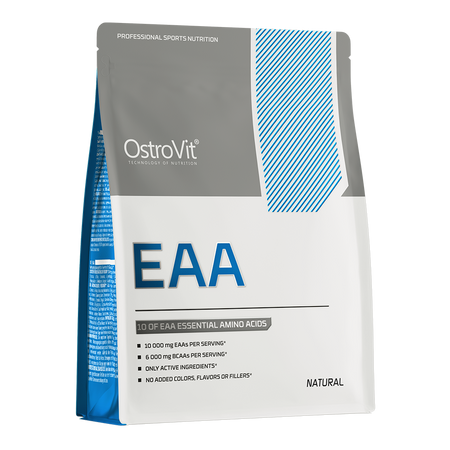
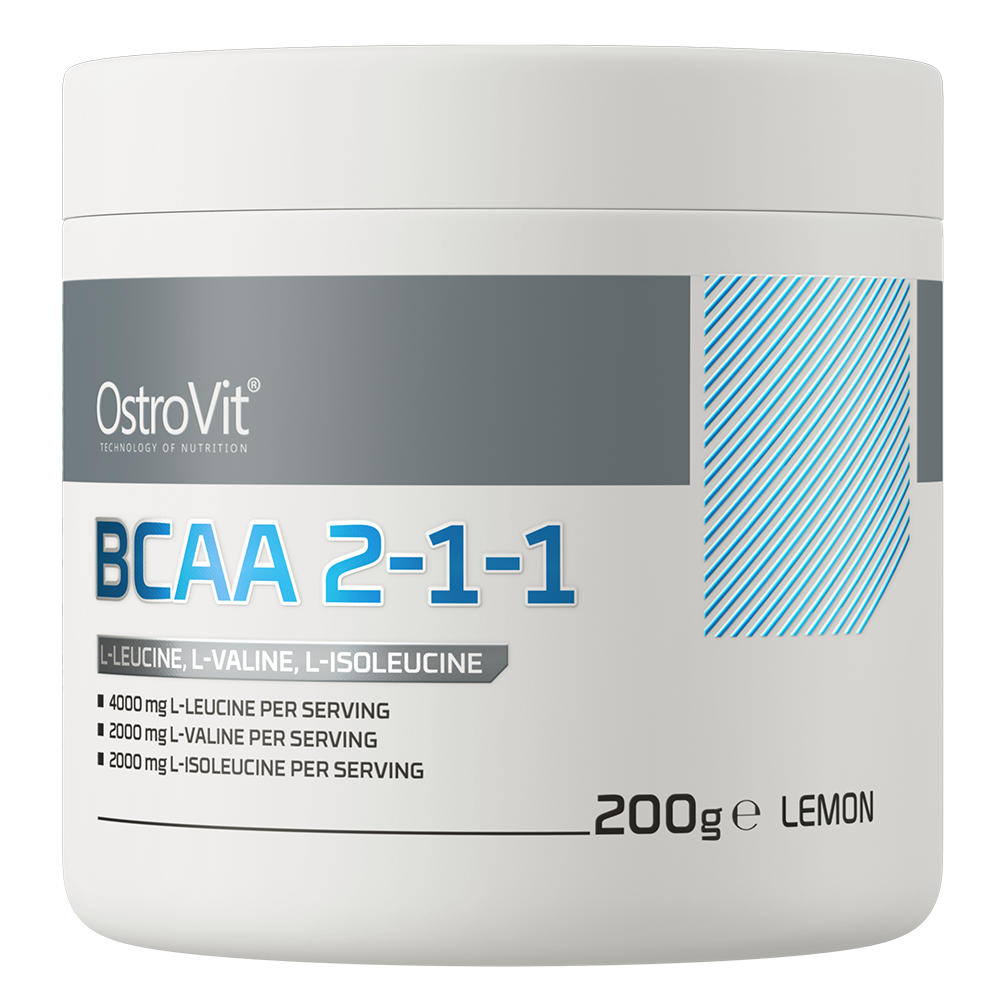
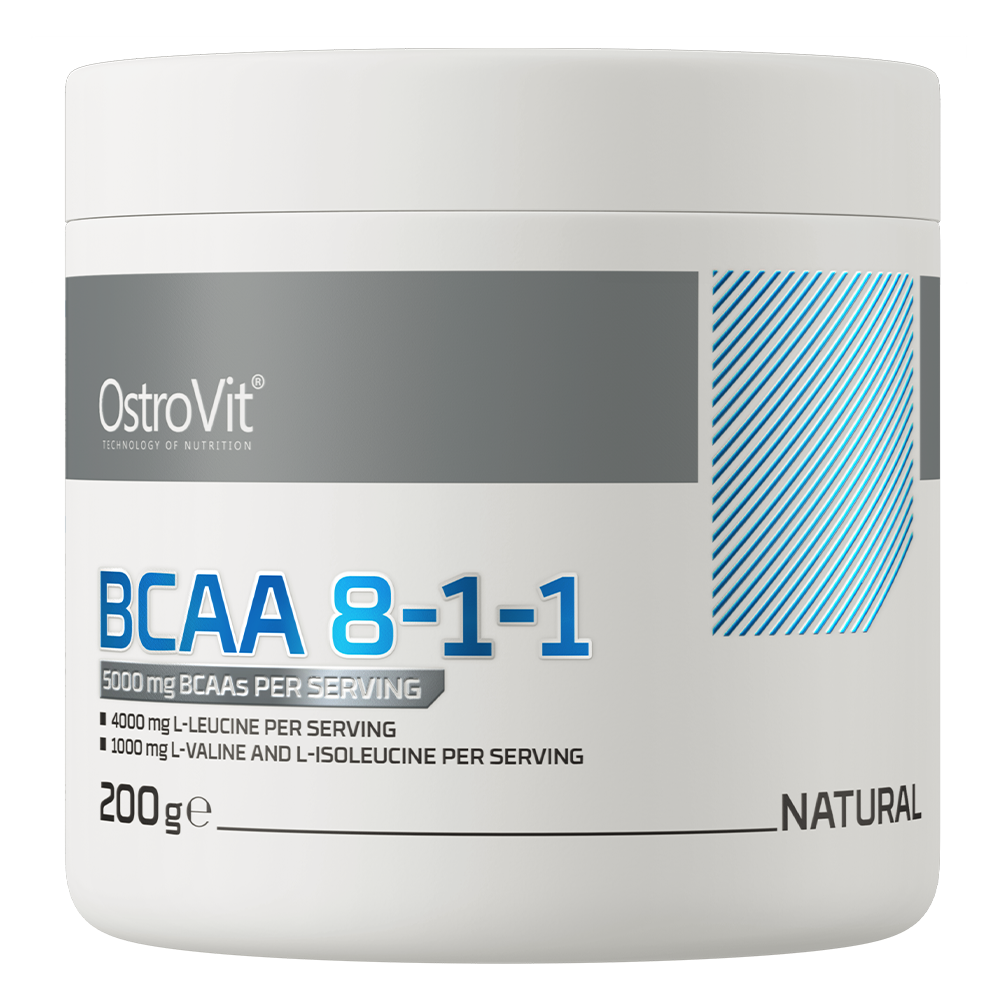
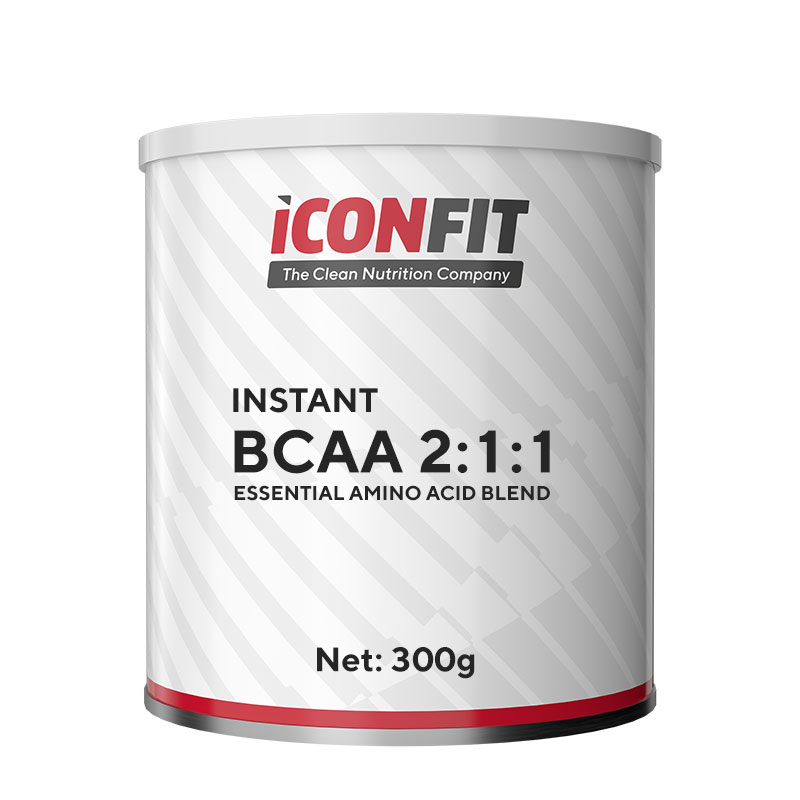
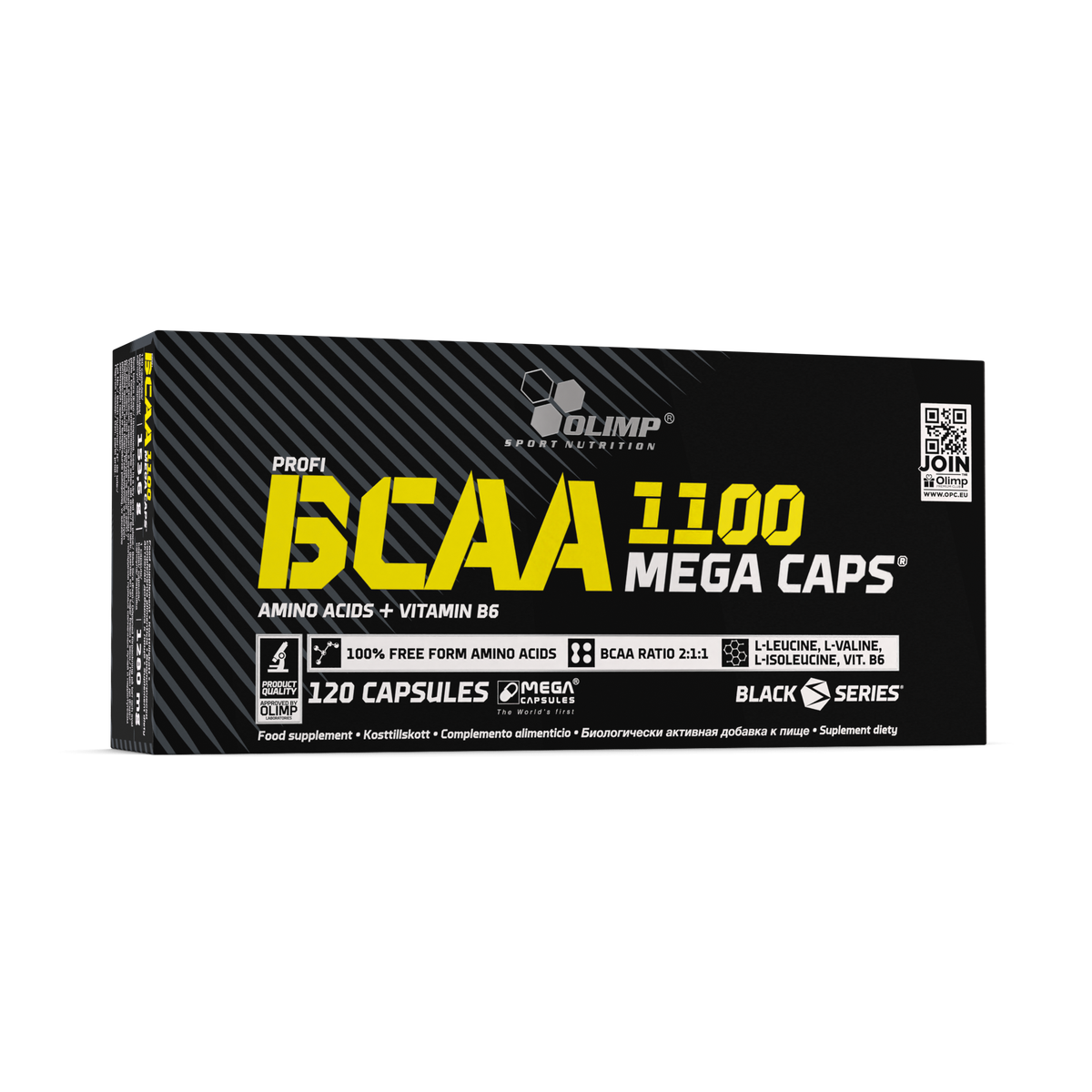
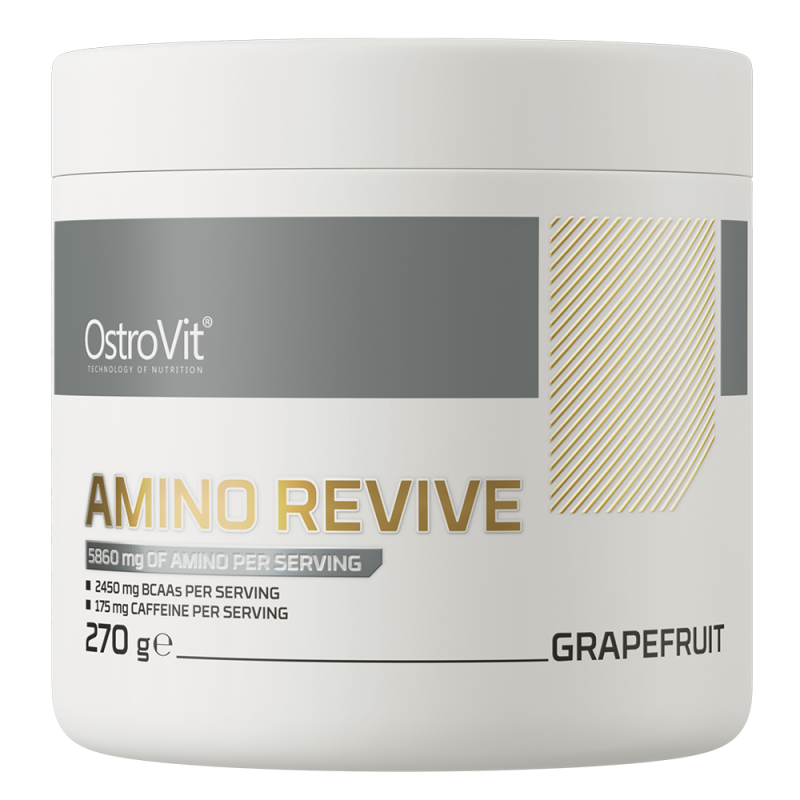
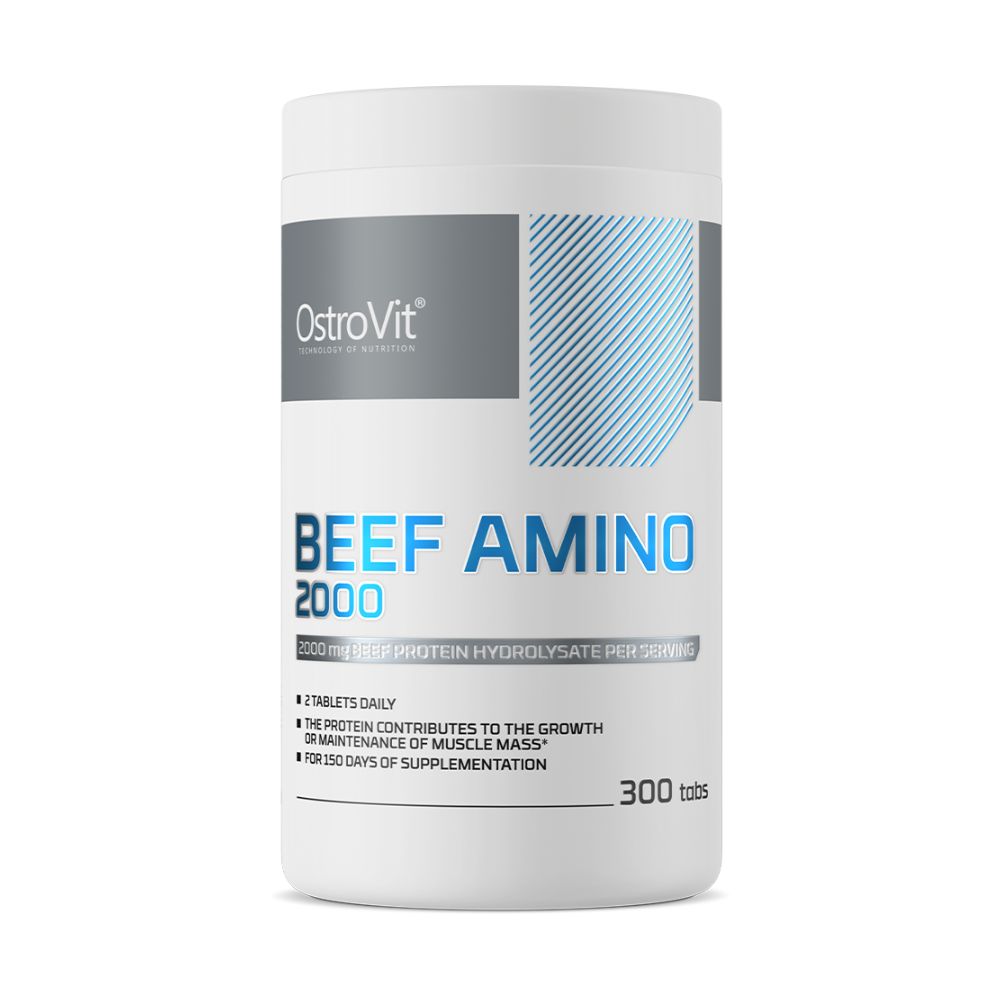
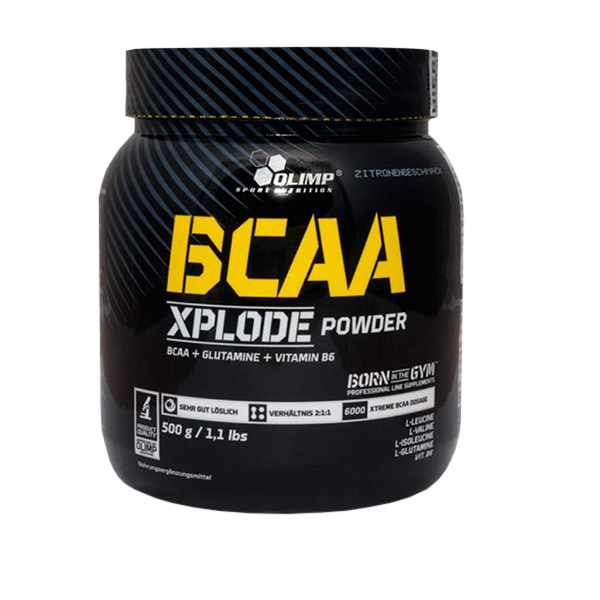
Quick selection tip: OstroVit EAA 600g is the first choice if you want all nine essential amino acids; OstroVit BCAA 2:1:1 200 g – lemon and OstroVit BCAA 8:1:1 200 g – unflavored suit you if you are looking for BCAA; OstroVit Amino Revive 270G Grapefruit is a caffeine-containing complex for a morning or daytime workout, if you tolerate caffeine.
Frequently asked questions
Which is better: BCAA or EAA?
As an amino acid supplement, EAA is the more logical option, because it contains all nine essential amino acids rather than just three. BCAA can make sense if you prefer its flavour or price and your daily protein intake is adequate anyway.
Can I take BCAA and EAA together?
There is usually no reason to, because EAA already contains BCAA. If you take both, keep track of the servings on each pack; the evidence that extra leucine adds anything is limited.
Do I need amino acids if I drink whey protein?
Probably not. Whey protein already provides all the essential amino acids and plenty of leucine. An amino acid supplement is then mostly superfluous.
What is the difference between BCAA 2:1:1 and 8:1:1?
The numbers show the ratio of leucine to isoleucine to valine. In 2:1:1 there are two parts leucine, in 8:1:1 eight parts. The other essential amino acids are missing from both.
Can I take amino acids on a rest day?
You can, but the need is rarely there. On a rest day, enough protein from food and good sleep help most.
Do people on a plant-based diet need EAA?
Not necessarily, if your menu includes varied protein sources (legumes, grains, soy, nuts). If protein intake stays low, an EAA powder can be a practical addition, but you should review your diet first.
Do amino acids help with weight loss?
Amino acids do not burn fat and do not guarantee weight loss. In a calorie deficit, adequate protein from food matters more; the result is decided by diet, energy balance and training.
Summary
BCAA is three amino acids, EAA all nine essential ones. Protein from food comes first; if that is in order, the role of an amino acid supplement stays small. If a supplement still fits your routine, such as fasted training, a plant-based diet or a liquid drink powder during a workout, choose EAA or BCAA according to your needs and budget, and keep your expectations realistic.