Quick answer: which zinc form should you choose?
Zinc picolinate has the best absorption of the common supplement forms and is the default pick for most people. If your stomach is sensitive, zinc glycinate (bisglycinate) is gentler because it’s chelated, while zinc oxide — the most common form — absorbs roughly half as well as picolinate. A typical daily dose is 8–15 mg of elemental zinc, as listed on the label.
- No special needs: zinc picolinate — the best-absorbed form in studies.
- Sensitive stomach: zinc glycinate (bisglycinate) — a chelated form that’s easier on digestion.
- Best value for the budget: ICONFIT Zinc or OstroVit Zinc Picolinate 150 tablets — see the category.
This is general nutrition information, not medical advice — see a doctor if you suspect a zinc deficiency.
In stock now: Zinc
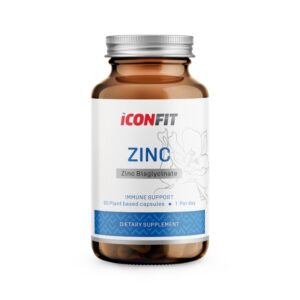

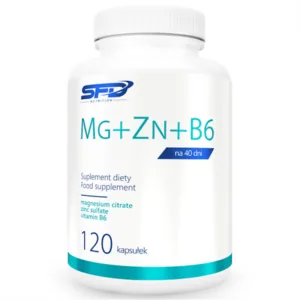
Zinc is one of the most important minerals that the body cannot produce on its own — it comes from everyday food. Zinc is involved in the functioning of over 300 enzymes, supports the immune system, skin and hair health, wound healing, male reproductive health, and the sense of taste and smell. Unlike some other minerals, the body does not tolerate zinc deficiency well — even a few weeks of insufficient consumption can weaken the immune response.
Zinc occurs naturally in many foods, but absorption depends greatly on the type of food source. Zinc from animal foods is generally better absorbed than zinc from plant foods. This is especially important for vegetarians and vegans who rely primarily on plant sources.
Recommended daily allowance of zinc
The Estonian Dietary Guidelines (2015, in line with the EFSA NRV) and the European Food Safety Authority (EFSA) recommend the following daily zinc intake for adults:
- Men: 9–11 mg per day
- Women: 7–8 mg per day
- Pregnant women: 10–11 mg per day
- Nursing mothers: 11–12 mg per day
- Children (7–10 years): 5–7 mg per day
- Teenagers (14–17 years): 9–11 mg per day
The tolerable upper limit for adults is 25 mg per day (EFSA). Above this, the risk of copper deficiency and immune system disorders increases.
TOP-15 foods richest in zinc (mg/100 g)
The following table shows which foods contain the most zinc. The values are approximate and vary depending on the origin of the raw material, processing and cooking method.
| Food | Zinc (mg/100 g) | Note |
|---|---|---|
| Oysters (raw) | 16–90 mg | The most concentrated source |
| Beef liver | 8–9 mg | A rich source of micronutrients in general |
| Beef (lean) | 4–7 mg | Easily absorbable haem-zinc |
| Pumpkin seeds | 7–8 mg | Best plant source; see phytate note |
| Sesame seeds | 7–8 mg | Tahini is a good way to add |
| Hemp seeds (shelled) | ~7 mg | Also contains omega-3 |
| Cashew nuts (raw) | 5–6 mg | Popular stopover option |
| Chickpeas (cooked) | 1.5–2.5 mg | Phytates lower absorption |
| Red beans (cooked) | 1–2 mg | Soaking the pods improves absorption |
| Cheddar cheese | 3.5–4 mg | Good animal sources of dairy products |
| Egg yolk | ~4 mg | A better source than egg white |
| Dark chocolate (70%+) | 3–4 mg | Also contains magnesium and iron |
| Buckwheat (cooked) | ~1.5 mg | Gluten-free cereal |
| Oatmeal | ~3 mg | Better absorbable after soaking |
| Natural yogurt | 0.5–1 mg | Probiotics may improve absorption |
How to ensure adequate zinc intake from food
Zinc from animal sources (meat, fish, seafood, eggs, dairy products) is absorbed significantly better than from plant sources. This is due to phytates , a compound found in plant foods (legumes, grains, nuts, seeds) that binds minerals and prevents their absorption in the intestines. Studies show that up to 40–50% of zinc is absorbed from animal foods, while only 10–20% is absorbed from plant foods. This difference is especially important for people who eat little meat.
There are several ways to reduce the effects of phytates. Soaking legumes and grains before cooking breaks down some of the phytates — soaking in water for 8–12 hours reduces phytate levels by 20–50%. Sprouting — for example, chickpeas, lentils, sunflower seeds — also reduces phytate levels significantly (up to 50% in studies). Fermentation (e.g., pickles, miso, tempeh, yeast-based breads) is the most effective method: fermenting bacteria break down phytates enzymatically, increasing the bioavailability of zinc by up to three times compared to raw raw materials.
In addition to phytates, several other factors affect zinc absorption. High doses of calcium (over 300 mg at a time) compete with zinc for absorption — therefore, it is not recommended to take zinc supplements at the same time as a high intake of dairy products. Vitamin C, on the other hand, improves the absorption of non-haem zinc (plant-based), so it is wise to combine legumes and seeds with foods rich in vitamin C (bell peppers, citrus fruits, broccoli). Iron in high doses can also inhibit zinc absorption — therefore, it is not advisable to take iron and zinc supplements at the same time.
Consuming protein-rich animal foods with zinc sources also improves absorption due to amino acids (especially cysteine and histidine) that form more easily absorbed chelates with zinc. So, for example, a combination of meat + pumpkin seeds is a much more effective source of zinc than pumpkin seeds alone.
Practical tips for meeting your daily zinc needs
- Add a handful of seeds (pumpkin, sesame) to your daily meals — 30 g provides approximately 2–3 mg of zinc
- Eat red meat or liver twice a week — provides easily absorbable animal-based zinc
- Replace processed grains with whole grains — oatmeal and buckwheat are much better sources than white flour
- Soak legumes overnight before cooking and rinse well — reduces phytate load
- Choose full-fat dairy products (cheese, yogurt) over low-fat options — some fat-soluble vitamins support mineral absorption
Symptoms of zinc deficiency
Mild zinc deficiency is surprisingly common — especially in people who have switched to a plant-based diet, the elderly, and children with limited dietary choices. Main symptoms:
- Weakened immunity — more frequent infections, slower recovery
- Hair loss — diffuse thinning, especially on the scalp
- Skin problems — acne, slow-healing wounds, dry skin
- Loss of appetite — the sense of taste and smell is weakened
- Fatigue and decreased concentration
- Impaired vision in dim light (zinc is involved in vitamin A metabolism)
- In men: lower testosterone levels and fertility problems
Severe zinc deficiency causes growth retardation in children, delayed maturation, and significant immunosuppression. If you suspect zinc deficiency, it is recommended to consult a doctor — a blood serum (plasma zinc) test is performed for diagnosis, but this is not always accurate.
When to Consider Zinc Supplementation
Most people who eat a healthy diet get enough zinc from their diet. However, there are groups for whom supplementation is often warranted:
- Vegetarians and vegans — plant sources of zinc are less well absorbed; requirement is ~50% higher
- Athletes who train intensively — zinc is lost through sweat and high protein metabolism
- Pregnant and lactating mothers — need increases by 30–50%
- Over 60 years of age — absorption decreases with age
- Digestive diseases (Crohn's disease, ulcerative colitis, celiac disease)
- Alcohol abusers — alcohol increases zinc excretion
How to choose a zinc supplement
Zinc supplements are available in different forms with varying bioavailability:
- Zinc Picolinate — best absorption in studies; recommended as first-choice form
- Zinc gluconate — good bioavailability, affordable price; commonly available in tablets
- Zinc glycinate (bisglycinate) — chelated form, gentler on the stomach
- Zinc Citrate — Medium bioavailability, widely available
- Zinc oxide — most common in supplements, but lowest absorption (~50% lower than picolinate)
The usual dose in a dietary supplement is 8–15 mg of elemental zinc per day. The amount of elemental zinc is indicated on the label. For the best form and dosage, it is most likely justified to review the selection of zincs at Omegafit.ee — where you can find gluconate, picolinate, and complex formulas.
It's also worth considering a multivitamin complex that contains zinc — especially if you want to support other micronutrients (magnesium, B vitamins, selenium) with one tablet.
Frequently asked questions about zinc in food
Which foods contain the most zinc?
Oysters (16–90 mg/100 g), beef liver (8–9 mg), beef (4–7 mg) and pumpkin seeds (7–8 mg) are the highest sources of zinc. Other good sources include sesame seeds, hemp seeds, cashews and dark chocolate.
How much zinc do you need per day?
For men 9–11 mg, for women 7–8 mg per day. For pregnant and lactating women 10–12 mg. The tolerable upper limit for adults is 25 mg per day (EFSA). For people who rely on a plant-based diet, the actual need is up to 50% higher, because the absorption of plant sources is weaker.
Can you get enough zinc from a vegetarian diet?
This is difficult because phytates in plant foods (legumes, seeds, grains) significantly inhibit zinc absorption. Soaking, sprouting, and fermenting help, but for people on a completely plant-based diet, zinc supplementation is often warranted.
What are the symptoms of zinc deficiency?
The most common signs are weakened immunity (frequent illnesses), hair loss, slow healing wounds, skin problems (acne, dry skin), and a diminished sense of taste and smell. Men may experience lower testosterone levels.
When to take a zinc supplement?
It is best to take on an empty stomach (30 minutes before eating) for best absorption. However, if you have a sensitive stomach, you can take it with food — absorption will be somewhat lower. High doses of calcium (dairy products) interfere with zinc absorption, so they should not be consumed together.