Short answer: uridine, citicoline or choline?
Uridine is a nucleoside that occurs naturally in the body and is often sold as a supplement together with choline or citicoline; no memory or focus claim has been authorised for it in the EU, and for healthy young people the evidence is limited. Most people are well served by choline from food and good sleep; if you still want to try something, start with a choline product and keep track for 4-8 weeks of whether you notice any difference.
- Uridine: suits someone who wants to experiment with a separate uridine source; a benefit in healthy young people has not been proven, and most studies have been done in other groups.
- Citicoline and choline: choline is a nutrient every body needs; citicoline (CDP-choline) is a compound of choline and cytidine that is usually more expensive, and its advantage for ordinary consumers has not been firmly shown.
- Where to start: OstroVit Choline + Inositol 120 tablets is the most affordable choline option; if you wish, try OstroVit Pharma Citicoline 60 capsules.
This is general information, not medical advice. Consult a doctor or pharmacist before use, especially if you are pregnant, breastfeeding, taking medication or have a chronic condition.
In stock now: Plant extracts

Ashwagandha – OstroVit
Plant extracts 9,90 € Select options This product has multiple variants. The options may be chosen on the product page

Uridine, citicoline and choline are three different substances, even though they are often sold under the same “memory and focus” label. They are combined because the body uses them to build the phospholipids of cell membranes. This guide explains how they differ, what the evidence actually says and how to decide without overpaying.
What is uridine and how does it relate to citicoline and choline?
Uridine is a nucleoside that the body makes itself and also obtains from food (for example RNA-rich foods such as brewer’s yeast and liver). Supplements often use uridine monophosphate (UMP), but the form in a specific product should always be checked against the ingredient list on the pack.
Choline is a vitamin-like nutrient. It is found in egg yolk, liver, meat, fish, and soy and cereal products. According to the European Food Safety Authority, the adequate intake for an adult is 400 mg a day, and many people fall below it, especially if eggs and liver are missing from the menu. Needs are higher during pregnancy and breastfeeding. Too much choline from a supplement can cause nausea, a fishy body odour and low blood pressure; the US Institute of Medicine has set the tolerable upper intake level for adults at 3.5 g a day, which is far above a normal supplement serving. Choline contributes to normal lipid metabolism and normal liver function.
Citicoline (CDP-choline) is a compound of choline and cytidine. During digestion it breaks down into choline and cytidine, and the body converts cytidine partly into uridine. The three substances therefore overlap: citicoline supplies choline and a precursor of uridine in a single compound, while with separate choline and uridine products you get them individually.
How to choose: forms and types compared
The table below helps tell the product types apart. None of them is a miracle remedy, and the effect is individual.
| Type | What it is | Who it suits | What to keep in mind |
|---|---|---|---|
| Uridine | A nucleoside, often in the UMP form | Someone who wants to try a separate uridine source | No firm evidence in healthy young people; check the form and dose on the pack |
| Citicoline (CDP-choline) | A compound of choline and cytidine | Those who want choline and a uridine precursor in one product | Usually more expensive than plain choline; the advantage is not certain |
| Choline + inositol | Choline bitartrate and myo-inositol | Covering choline intake at an affordable price | A common form of choline; check the amount per serving |
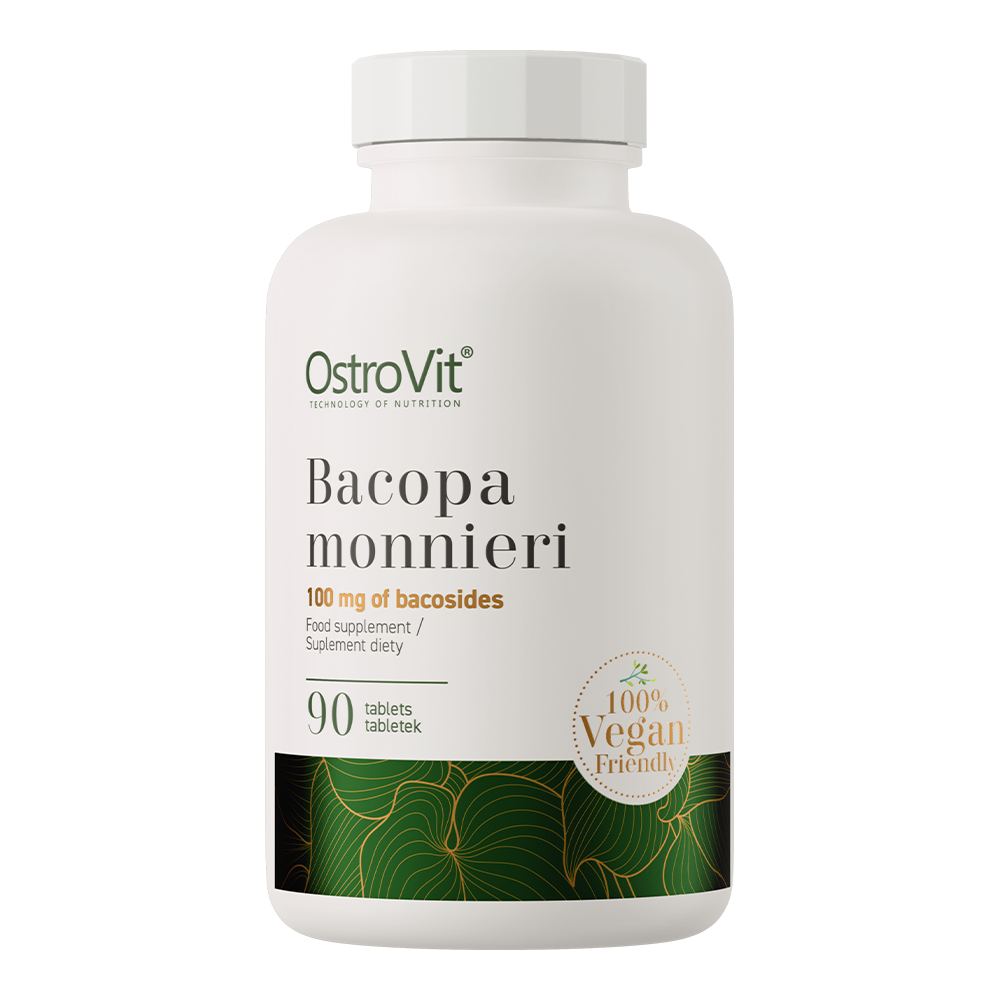
| Bacopa monnieri | A herbal extract standardised to bacosides | Those who want a herbal extract for a short trial | Take with a meal containing fat; according to this product’s manufacturer, not for more than 4 weeks; not suitable during pregnancy or breastfeeding |
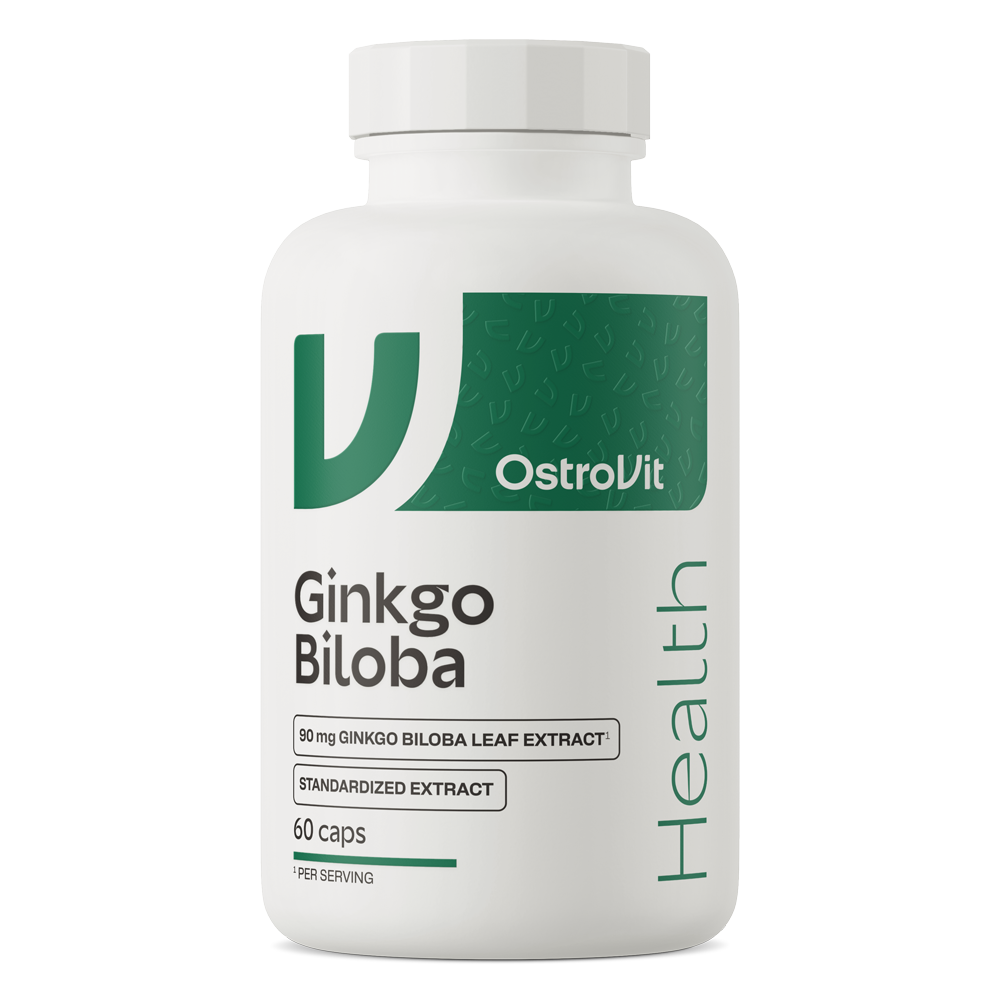
| Ginkgo biloba | An extract of the ginkgo tree leaf | Those who want a different herbal extract | If you take medicines that affect blood clotting, talk to a doctor first; not suitable during pregnancy or breastfeeding |
| Blended formula | Amino acids, herbs and vitamins in one capsule | Those who prefer one product over several | Composition differs between manufacturers; check the amount of each ingredient on the label |
Choosing a form comes down to three practical questions. First, what you want to achieve: if the goal is simply to cover choline intake, choline bitartrate is enough. Second, how long the trial will be: do not expect an effect within a day or two, but observe each product’s usage limit (for bacopa, for example, 4 weeks). Third, what you already consume: if you regularly eat eggs and liver, a choline supplement adds less.
What does the evidence actually say?
The honest answer is that the evidence is limited and inconsistent. Studies suggest that combinations of choline and uridine may influence memory results in some groups, such as older adults or people with a low choline intake. Data on healthy young adults is scarce and the results are contradictory. Citicoline studies have mostly used different doses and different target groups, so they cannot be transferred unambiguously to someone who trains.
In the European Union, no memory or focus claims have been authorised for uridine or citicoline. For choline, claims have been authorised for lipid metabolism and the liver. It is therefore not sensible to expect a supplement to make you sharper; choline is worth discussing mainly when there is a gap in your diet.
- Sleep, exercise and nutrition usually influence concentration more than supplements do.
- Caffeine is better researched for alertness and concentration than uridine or citicoline; take your daily caffeine intake into account.
- To judge the effect, write down your concentration and sleep before you start and compare after 4-8 weeks.
Who is it for and who should not use it?
You may try it if
- your diet contains few eggs, liver and fish, so your choline intake may be low;
- you want to run one controlled trial of a single product and accept that the effect may go unnoticed;
- your sleep, training load and nutrition are already in order.
Be cautious or skip it if
- you are pregnant or breastfeeding: choline needs are higher at this time, but decide on a supplement together with your doctor; there is insufficient data on the safety of uridine, citicoline, bacopa and ginkgo;
- you take prescription medicines, especially ones that affect blood clotting (particularly important for ginkgo), or have a chronic condition: talk to a doctor first; with ginkgo, also mention it before planned surgery;
- you have a persistent memory or concentration problem: this needs a doctor’s assessment, not a supplement;
- you are under 18: food supplements are not intended for children and adolescents unless a doctor has advised otherwise;
- you notice side effects such as headache, nausea or sleep problems: stop using the product and contact a doctor if necessary.
How to use and combine them
The basic rule: start with one product and follow the recommendation on the pack. Do not add three new substances at once, because then you will not know what is working. Follow the daily serving stated on the label and do not exceed it, regardless of what is written on forums.
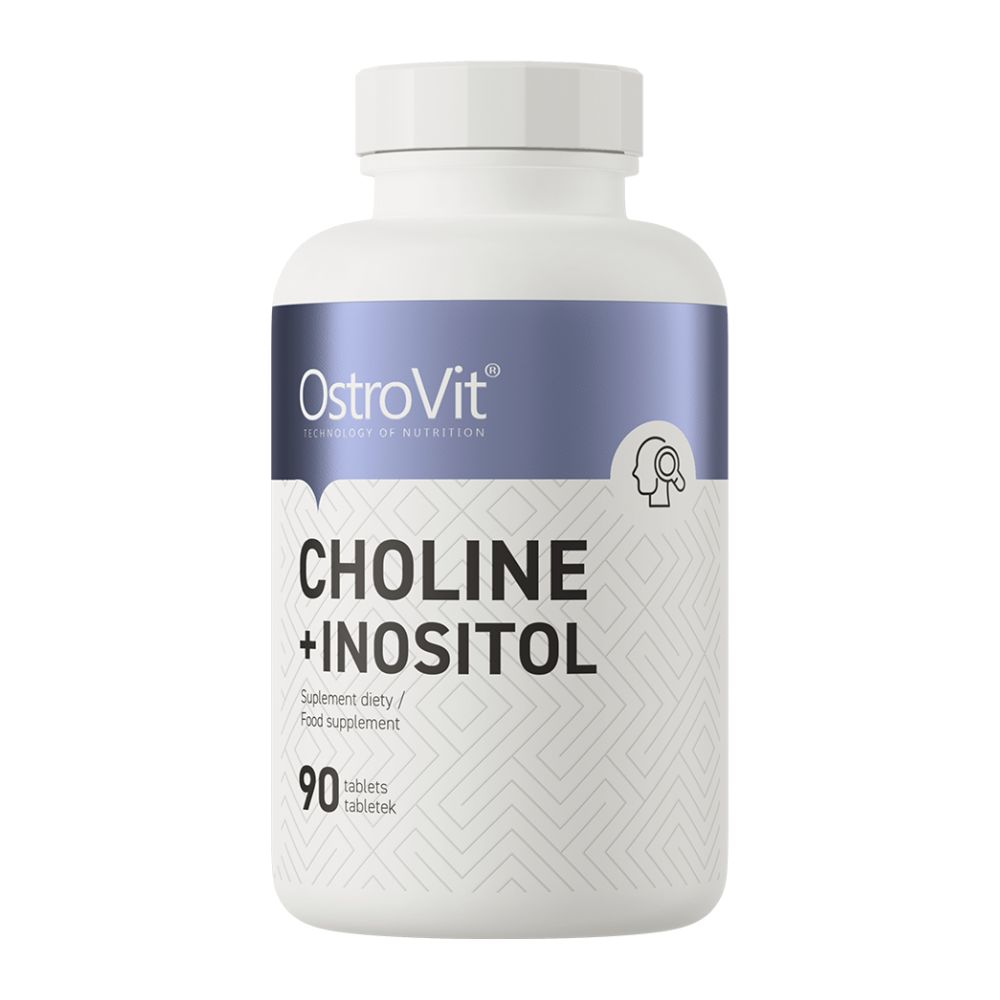
- Choline and inositol: suitable alongside food; according to the manufacturer’s description, a serving contains 300 mg of each compound (OstroVit Choline + Inositol 120 tablets).
- Citicoline and uridine: these are often combined because they overlap; if you take both, do not exceed the label dose of either product, and stop if you feel discomfort.
- Bacopa: take with a meal containing fat and do not use for longer than 4 weeks, as the manufacturer’s description states.
- Ginkgo: do not use it if you take medicines that affect blood clotting until you have talked to a doctor.
- Caffeine: alongside memory and focus products, take your total daily caffeine into account, especially in the evening.
Timing: some people have had sleep problems when they take these products in the evening. If you notice the same, take them early in the day.
Our recommendations: uridine, citicoline and choline
Below are eight products from the Omegafit range. A short selection guide follows the cards.


How to choose between them
- You want a simple, affordable start: OstroVit Choline + Inositol 120 tablets or NOW Choline + Inositol 100 capsules.
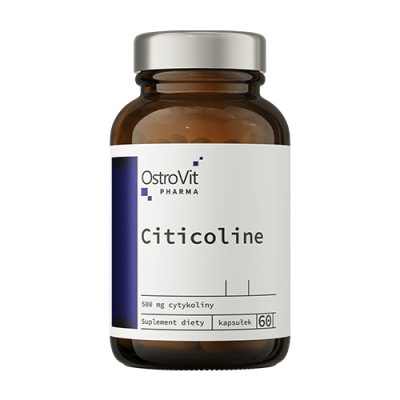
- You want choline and a uridine precursor in one product: OstroVit Pharma Citicoline 60 capsules.
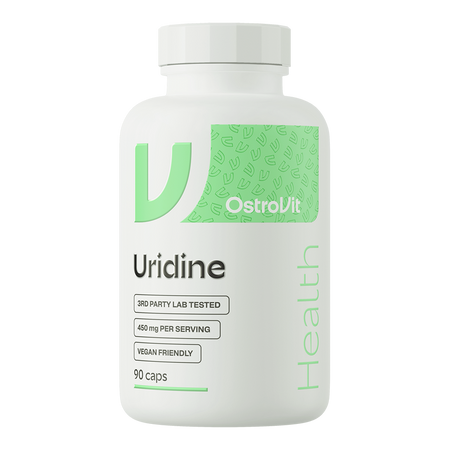
- You want a separate uridine source: OstroVit Uridine 90 capsules.
- You prefer a herbal extract: OstroVit Bacopa Monnieri – 90 tablets or OstroVit Ginkgo Biloba – 60 capsules; ginkgo is also available in a larger pack: Swanson Ginkgo Biloba Extract 120 capsules.
- You want one blended formula: Scitec Nutrition Mental Focus 90 capsules. Check the amount of each ingredient on the label.
Frequently asked questions
Does uridine improve memory?
That cannot be promised. No memory claim has been authorised for uridine in the EU. Studies suggest possible support in some groups, but data on healthy young people who train is scarce.
How does citicoline differ from ordinary choline?
Citicoline (CDP-choline) is a compound of choline and cytidine that breaks down into choline and cytidine during digestion. Ordinary choline, for example as bitartrate, is usually cheaper. An advantage of citicoline for a healthy person has not been firmly shown.
Can uridine and citicoline be taken together?
They are often combined and partly overlap, because cytidine is converted into uridine in the body. Follow the recommendation on each product’s pack and do not exceed the general daily dose. If in doubt, ask a doctor or pharmacist.
How long should I take it before noticing a difference?
The effect, if there is one, does not appear within days. With a choline or uridine product, run a trial of 4-8 weeks and note down sleep, concentration and side effects; the bacopa manufacturer limits use to 4 weeks. If you notice no difference, there is no point in increasing the dose.
Is it suitable before training?
Some people take choline products before training, but a fast focus effect has not been proven. Energy and concentration during training depend more on food, sleep and fluid intake.
Are ginkgo and bacopa suitable for everyone?
No. With ginkgo, you must consult a doctor first if you take medicines that affect blood clotting. The bacopa pack advises not using it for more than 4 weeks and taking it with a meal containing fat. Pregnant and breastfeeding women should not use either, and people on medication should talk to a doctor first.
Is food enough?
For many people, yes. Egg yolk, liver, fish and meat provide plenty of choline. Vegetarians and vegans may have a lower choline intake, and for them a supplement makes more sense.
If you have questions, write to info@omegafit.ee. A food supplement is not a substitute for a varied diet or for medical advice.