Quick answer: How should a beginner start training and eating right?
Start with two to three workouts a week and calorie-balanced eating — not six gym sessions and a strict diet. Full-body strength training twice a week builds muscle and supports bone density, and one lighter cardio session a week is enough for heart health. Nutrition drives 70–80% of your results: increase your protein intake and keep your calories balanced — a deficit to lose fat, a small surplus to build muscle.
- Muscle soreness after your first workout (DOMS): normal, usually appearing within 24–48 hours — support recovery with light movement, enough sleep, protein and magnesium.
- How often to train as a beginner: 2–3 full-body sessions a week are enough — focus on technique, not the weight on the bar.
- Recovery and general wellbeing starter pack: ICONFIT Micronized Creatine Monohydrate (300g) or Creatine Monohydrate – 300g – OstroVit — see the full range in the category.
This is a general overview, not personalized training or nutrition advice — consult a doctor or trainer before making changes if you have a health condition, injury or chronic illness.
In stock now: Dietary supplements
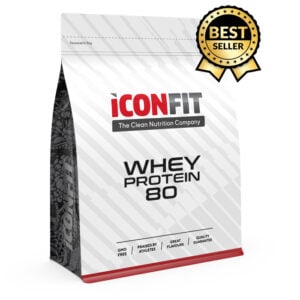
Whey Protein 80 1kg – Whey Protein – Iconfit
Whey protein 31,90 € Select options This product has multiple variants. The options may be chosen on the product page 
Creatine Monohydrate – 300g – OstroVit
Creatine 9,30 € Select options This product has multiple variants. The options may be chosen on the product page 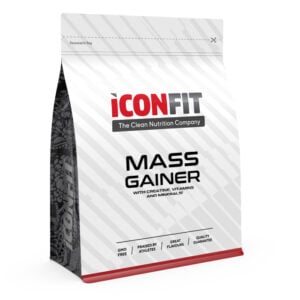
ICONFIT MASS GAINER (1,5KG)
Mass Gain 22,50 € Select options This product has multiple variants. The options may be chosen on the product page

Deciding to start exercising and changing your diet is one of the best gifts you can give your body and mind. But when surfing the internet, beginners are often overwhelmed by information overload. One fitness guru recommends the keto diet, another says there’s no point in even starting without six gym sessions a week, and a third offers ten different “must-have” powders.
It’s no wonder that motivation can quickly be replaced by confusion and hand-wringing.
In reality, the secret to a successful start is simplicity and consistency. You don’t have to change your life 180 degrees in one day. In this practical guide, we’ll show you how to start training and eating in a way that’s sustainable, enjoyable, and produces long-term results.
Part 1: How to start training? (Don’t burn out)
The biggest mistake beginners make is too much, too soon. If you’ve been inactive for months or years, doing a heavy gym workout 5 times a week will strain your nervous system and joints, resulting in severe muscle pain, loss of motivation, or injury.
Rule 1: Start with 2–3 workouts per week
To see the first results and create a lasting habit, two or three 45-60 minute workouts per week are enough.
* Strength Training (2x per week): Strength training is the foundation for maintaining and building muscle mass, supporting bone density, and boosting metabolism. Focus on full body workouts that involve large muscle groups and basic exercises (squats, push-ups, pull-ups, planks).
* Cardio (1x per week or daily): To support heart health and endurance. It doesn’t have to be a grueling run – a 30-45 minute brisk walk in the fresh air, cycling or swimming is ideal for a beginner.
Rule 2: Focus on technique, not difficulty
When working out at the gym or at home, forget about your ego. The weight you lift is secondary. The most important thing is to perform the exercises with proper technique to avoid injury and work the right muscles. If necessary, get help from a personal trainer for the first few times.
Part 2: Nutrition Basics for Beginners
Nutrition accounts for about 70-80% of your physical performance. No matter how hard you train, you can’t “train out” a poor diet. But forget about strict and restrictive diets.
1. Calorie balance is the basis of everything
- If your goal is to lose weight: You need to eat slightly fewer calories than your body burns (a calorie deficit). A reasonable deficit is 300–500 calories per day. This will ensure healthy and sustainable weight loss (about 0.5 kg per week).
- If your goal is to build muscle mass: You need to eat slightly above your normal expenditure, i.e. be in a small calorie surplus (200–300 calories) and provide sufficient load for your muscles.
2. Increase your protein intake
Protein is the building block of cells, muscles, and tissues. When you start training, your protein needs increase because your body needs it to repair and recover from microscopic muscle damage. Protein also keeps you full for longer, which helps prevent snacking.
* Good sources: Chicken, fish, lean beef and pork, eggs, cottage cheese, curd, beans, lentils, tofu.
* Convenient helper: If you have difficulty getting enough protein from regular food, protein powder is a great and quick helper.
3. Drink enough water
Water transports nutrients to your cells, keeps your joints lubricated, and helps prevent post-workout fatigue. Drink at least 2–2.5 liters of pure water a day, a little more on training days.
Part 3: Basic Supplement Package for Beginners (What Do You Really Need?)
As a beginner, you don’t need a cupboard full of different jars. The focus should be on supporting recovery, general vitality, and injury prevention.
Here are 3 science-based foundational supplements to help you get started:
1. Magnesium Citrate — For Muscle Recovery and Sleep
New physical activity initially causes muscle tension and pain. Magnesium helps muscles relax, prevents cramps and improves sleep quality, which is the real time for recovery and fat burning.
2. High-quality multivitamin — Immunity and energy
Training is initially stressful for the body. A multivitamin ensures that your body has all the micronutrients it needs to produce energy and keep its immune system strong.
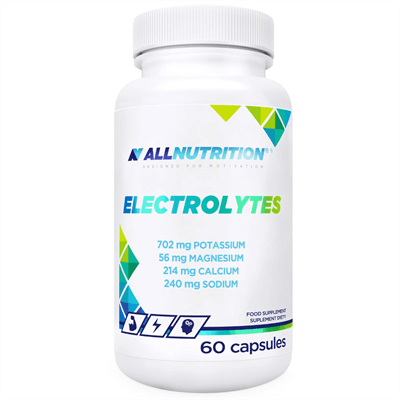
3. Electrolytes — Fluid Balance and Endurance
When you sweat while exercising, you lose not only water, but also vital minerals (sodium, potassium, magnesium). Their deficiency leads to rapid fatigue, headaches, and cramps.
Frequently Asked Questions (FAQ)
Q: Is muscle soreness (doms) after the first workout normal?
A: Yes, this is completely normal and is called delayed onset muscle soreness (DOMS). It usually occurs 24-48 hours after exercise, as microscopic tears form in the muscles. The best treatment is light exercise (walking), adequate sleep, protein and magnesium. Do not exercise the sore muscles hard until the pain has subsided.
Q: Do I need to drink sports drinks during exercise?
A: If your workout lasts less than 60 minutes and is not extremely intense, pure water is sufficient. Sports drinks (with carbohydrates) are necessary for longer endurance workouts (running, cycling >1.5h). However, you can add Allnutrition electrolytes to your water on a hot summer day or when sweating heavily.
Summary for beginners
Make your start simple:
1. Plan 2–3 workouts per week and stick to this plan for at least 4 weeks.
2. Eat a protein source with every meal and drink enough water.
3. Support your body with the basics: high-quality protein powder for recovery, magnesium for muscles, and multivitamin for vitality.
You can find all the pure, high-quality and laboratory-tested supplements to support your new lifestyle in the secure and fast Estonian e-shop Omegafit.ee! Delivery conveniently directly to your parcel machine in 1-3 working days.