Short answer: which magnesium to choose?
Magnesium glycinate is often preferred for sleep and the nervous system; citrate for muscles and general deficiency; the cheap oxide is poorly absorbed and is mainly suitable as a laxative. The “best magnesium” depends on the goal, not the brand’s promises.
- Sleep/stress: glycinate (in the evening).
- Cramps/Post-workout recovery: Citrate (during or after workout).
- Energy/fatigue: malate (in the morning).
See the selection of magnesium supplements at Omegafit. A typical range of elemental magnesium in a supplement is often 200–400 mg/day — follow the package directions.
Does not replace the advice of a doctor or nutritionist.
In stock now: Magnesium



Magnesium is one of the most important minerals in the body — it is involved in controlling over 300 enzymatic reactions, from muscle and nerve function to sleep and stress tolerance. Yet it is estimated that up to 50% of people are deficient in magnesium, often without even knowing it. In this guide, we explain which form of magnesium to choose and why it is the fastest growing supplement trend in 2026.
Last updated: September 2026
Why is magnesium so important?
Magnesium is essential for almost every system in the body. Here are the main functions:
- Muscle function — magnesium helps muscles relax after contraction. A deficiency causes cramps and twitches
- Nervous system and sleep — activates the parasympathetic nervous system (rest-and-digest mode), helping you fall asleep more peacefully
- Energy production — participates in the synthesis of ATP (adenosine triphosphate), which is the body’s main source of energy
- Bone health — about 60% of the body’s magnesium is located in the bones, affecting bone strength
- Heart health — helps regulate heart rate and blood pressure
- Vitamin D activation — without enough magnesium, the body cannot convert vitamin D into its active form
A 2025 study showed that magnesium regulates vitamin D levels — increasing them when they are deficient and decreasing them when they are too high. So if you take vitamin D, magnesium is essential for it to work.
Signs of magnesium deficiency
Magnesium deficiency is often hidden because standard blood tests only measure serum magnesium (which only accounts for ~1% of body magnesium). Symptoms to look out for:
- Muscle cramps and twitches — especially at night in the calf muscles
- Sleep disorders — difficulty falling asleep, shallow sleep
- Fatigue and lack of energy — even with adequate sleep
- Anxiety and restlessness — magnesium is a natural calming mineral
- Headaches and migraines — several studies link deficiency to migraine frequency
- Heart rhythm disorders — feeling of heart rhythm, rapid pulse
Magnesium forms — which one to choose?
This is the most searched question about magnesium in 2026 — and rightfully so, because the different forms have very different absorbency and purpose of useHere’s an overview:
Magnesium citrate
The most popular and versatile form. Good bioavailability (about 25-30% absorbed), affordable and suitable for most people. The best choice for general magnesium intake, energy and muscle support.
Magnesium glycinate
Related to the amino acid glycine, which itself has a calming effect. The best choice for sleep and stress — 823,000 monthly searches worldwide in 2025. Very well tolerated, does not cause gastrointestinal upset.
Magnesium malate
Related to malic acid (malate). The best choice for energy and muscle recovery — malate itself participates in energy production (Krebs cycle). Well tolerated, suitable for athletes.
Magnesium oxide
Lowest bioavailability (~4%), but highest elemental magnesium content. Mainly used digestive problems and constipation Not the best choice for general consumption.
Magnesium L-threonate
The only form that is clinically proven increase magnesium levels in the brain. Used to support memory, concentration and cognitive functions. In 2024, it received Novel Food status in the EU, which means stricter quality requirements.
Form comparison table
| Form | Bioavailability | Best use | Gastrointestinal tolerance |
|---|---|---|---|
| Citrate | Good (25-30%) | General, energy, muscles | Good |
| Glycinate | High (30%+) | Sleep, stress, anxiety | Very good |
| Malate | Good (25%+) | Energy, muscles, sports | Very good |
| Oxide | Low (~4%) | Digestive problems | May be disturbing |
| L-threonate | Good | Brain, memory, concentration | Good |
Our recommendations — magnesium products
In omegafit.ee selection you will find various magnesium products for every need. Here are our recommendations:
Magnesium + sleep and stress
Magnesium glycinate is the fastest growing dietary supplement trend in the world in 2025-2026 — the main reason is its effect sleep quality and stress toleranceMagnesium activates the parasympathetic nervous system, helps regulate melatonin production, and relaxes muscles.
If sleep problems are a concern for you, we recommend combining magnesium with sleep-supporting supplements:
Magnesium + Vitamin D — why take it together?
One of the most important discoveries in recent years is the interaction between magnesium and vitamin D. Magnesium is needed to convert vitamin D into its active form. — without sufficient magnesium, vitamin D intake may be ineffective.
Research shows that magnesium regulates vitamin D levels in two ways:
- Increases vitamin D levels in people who are deficient
- Reduces excessively high vitamin D levels (protective effect)
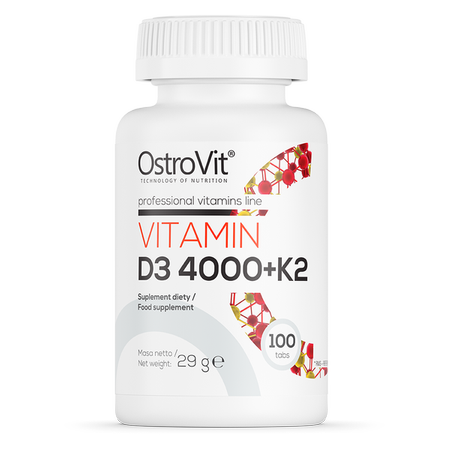
So if you consume vitamin D (which most Estonians should do), be sure to also add magnesium:
Magnesium for athletes
The magnesium needs of athletes are 10-20% higher than in non-athletes, as magnesium is lost through sweating and is used intensively in energy production. Deficiency can manifest itself in:
- Muscle cramps during or after exercise
- Slower recovery
- Weaker performance ability
- Poorer sleep (which in turn slows recovery)
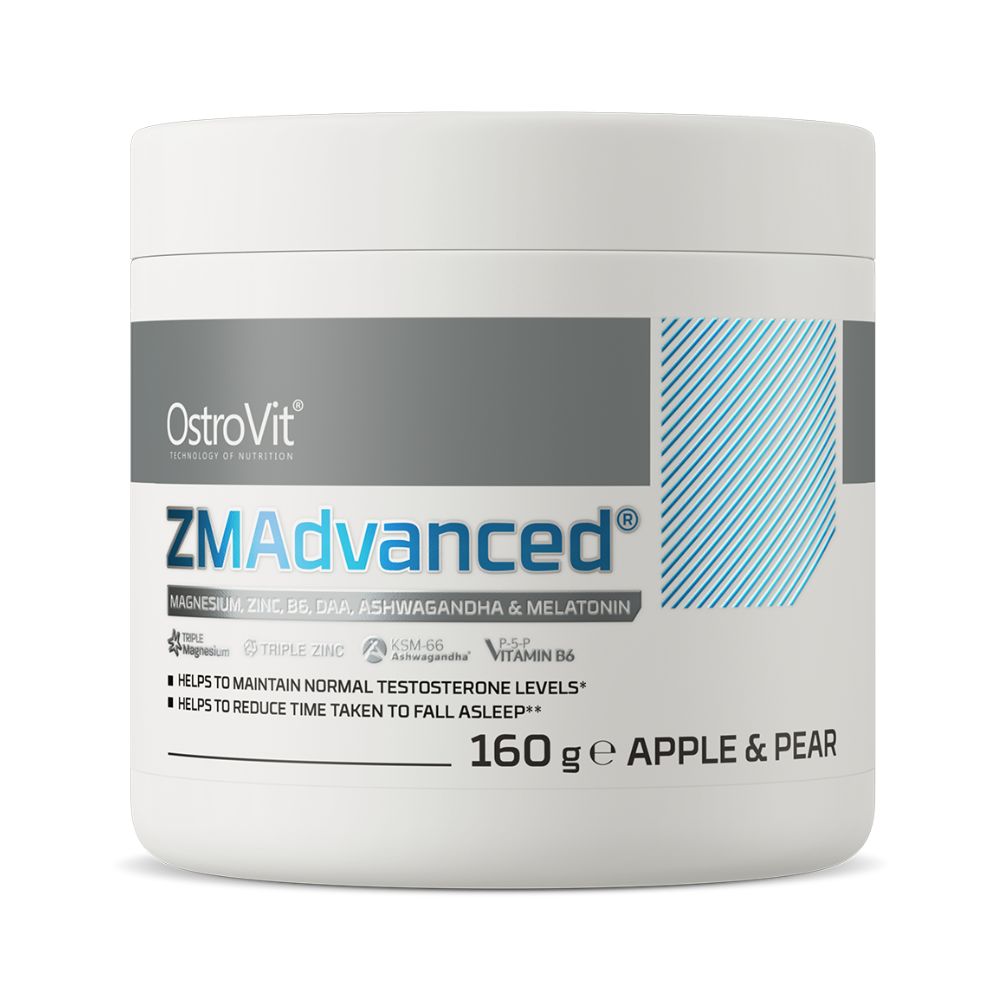
We recommend for athletes magnesium malate — malic acid (malate) itself is involved in energy production and supports muscle recovery. Another good choice is the ZMA complex (zinc + magnesium + B6), which also supports testosterone levels:
How to consume magnesium correctly?
Daily dose
The European Food Safety Authority (EFSA) recommends that adults 300-400 mg of magnesium per day. Athletes and people with stressful lifestyles may need higher amounts (400-500 mg). The maximum recommended dose from a dietary supplement is 350 mg per day (the rest should come from food).
Best time to consume
- To support sleep — 30-60 minutes before bedtime
- Energy and sports — in the morning with food
- General health — with food (improves absorption and reduces gastrointestinal upset)
What to avoid
- Do not take magnesium with calcium or zinc — they compete for absorption. Leave at least 2 hours apart.
- Coffee and alcohol increase magnesium excretion — if you consume a lot of coffee, you need more magnesium.
- Too large a single dose may cause digestive upset — if necessary, divide the daily dose into two
Magnesium’s best friend is Vitamin B6 (pyridoxine) — it helps magnesium enter the cell. That’s why most high-quality magnesium supplements also contain vitamin B6. The active form of B6 (P-5-P) is even more absorbable.
Frequently asked questions
Can you overdose on magnesium?
Magnesium from food does not cause an overdose — the kidneys excrete the excess. Very high doses of dietary supplements (over 600 mg at a time) may cause diarrhea, which is the first sign of an overdose. Reduce the dose until the gastrointestinal disturbances disappear.
Which form to choose as a beginner?
Start with magnesium citrate — it is the most versatile, well-absorbed, and affordable. If your main goal is better sleep, choose glycinate. For athletes, we recommend malate.
Does magnesium help you sleep?
Yes, several studies confirm that magnesium (especially in the forms of glycinate and citrate) helps improve sleep quality. It activates the parasympathetic nervous system, regulates melatonin, and relaxes muscles. For best results, consume 30-60 minutes before bed.
Should magnesium be taken with food?
Yes, it is recommended. Taking with food improves absorption and reduces potential gastrointestinal upset. Exception: Can be taken without food before bedtime to support sleep.
How long does it take for magnesium to take effect?
The muscle relaxing effect and improved sleep are often noticeable within the first week. However, it takes several weeks for the body’s magnesium reserves to fully replenish. 4-6 weeks continuous consumption. So give magnesium time and be consistent.
Which magnesium should you choose? Summary
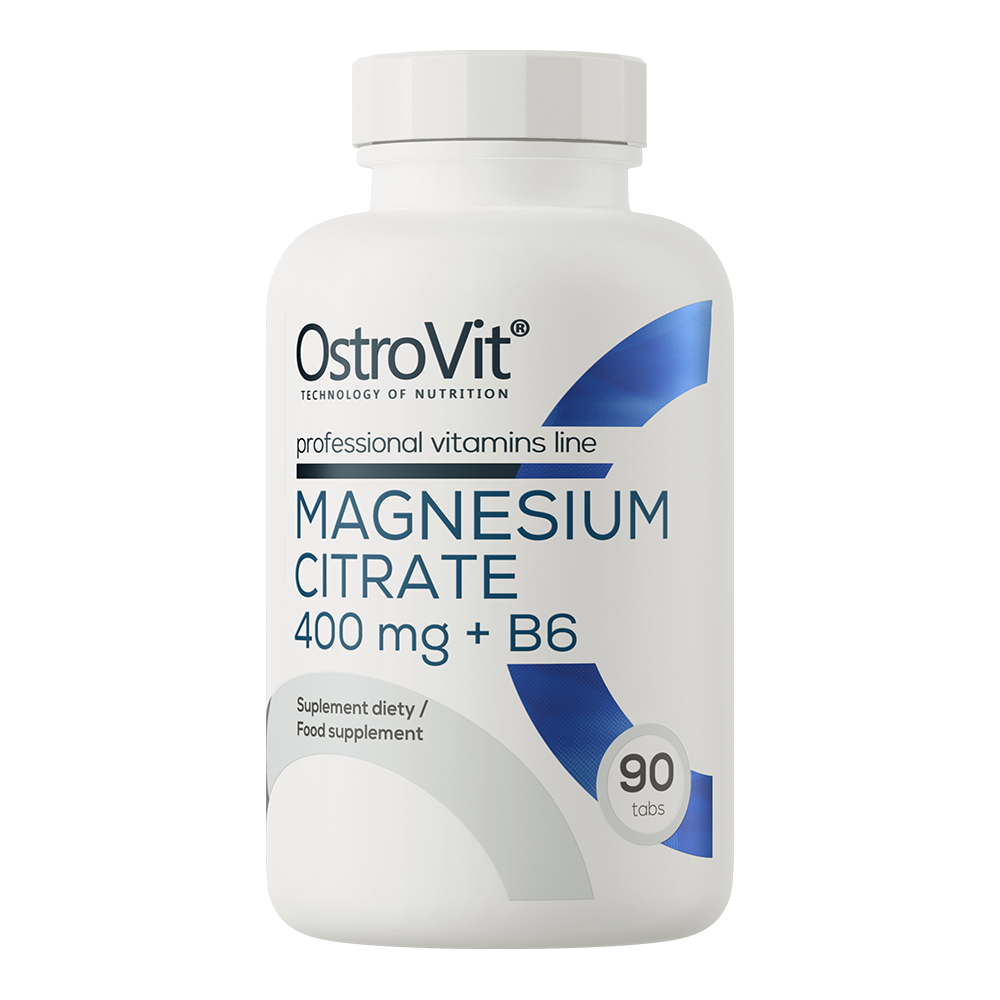
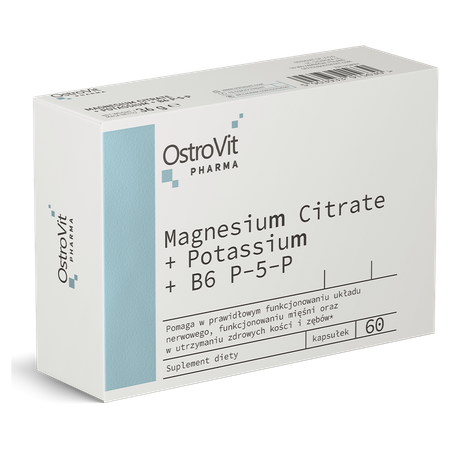
- Best price: OstroVit Magnesium Citrate 400mg + B6 (€7.10)
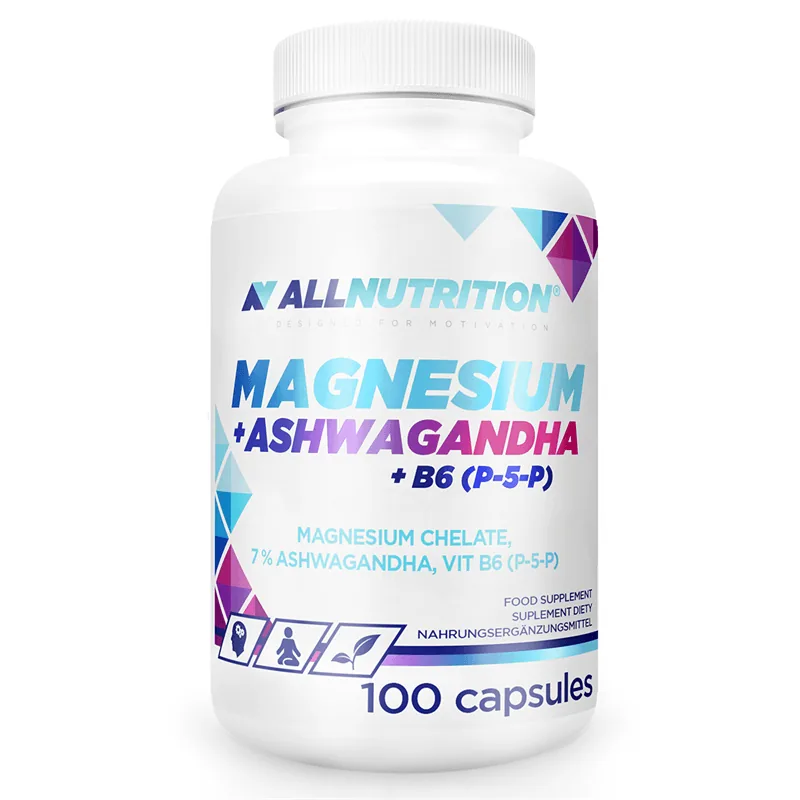
- Best sleep and stress: Allnutrition Magnesium + Ashwagandha + B6 100 capsules
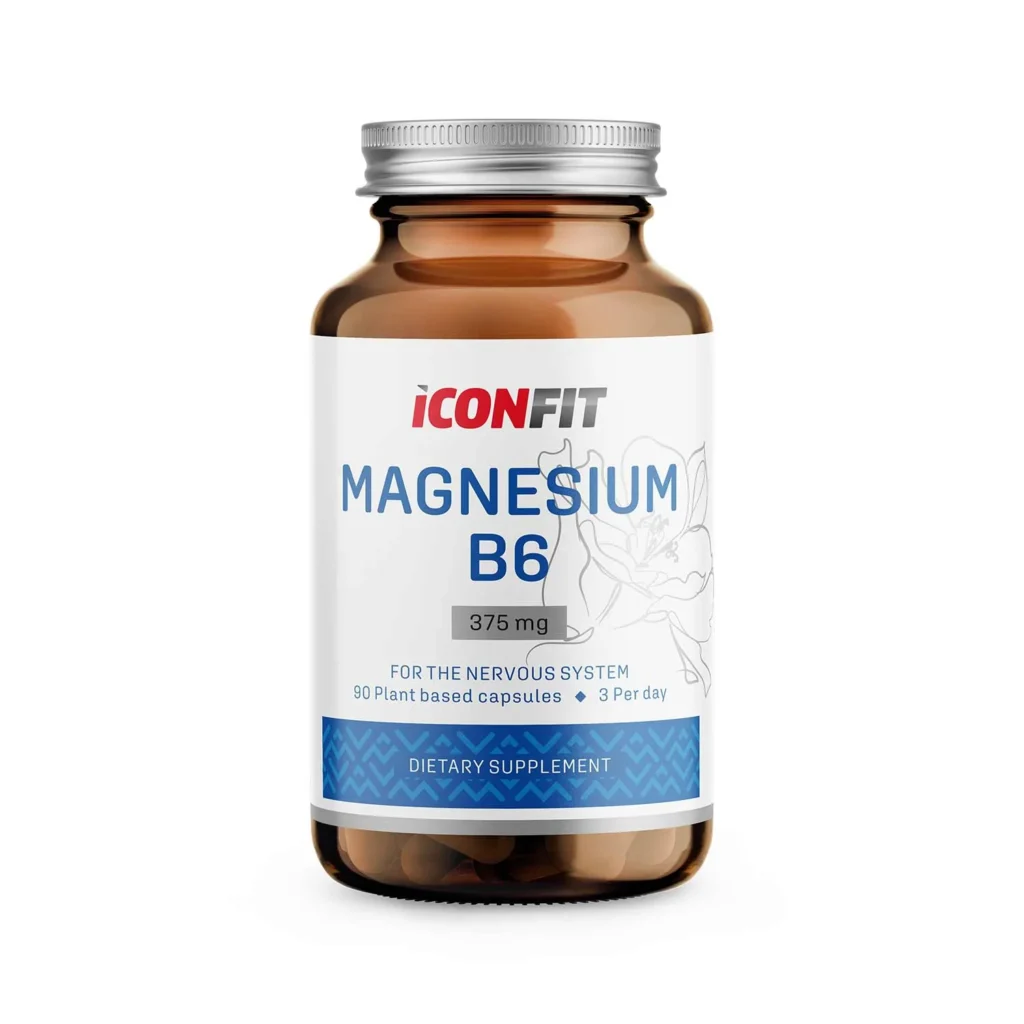
- Estonian brand: ICONFIT Magnesium B6 (€9.50)
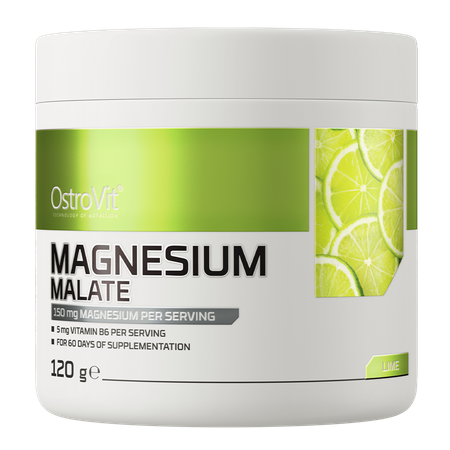
- For the athlete: OstroVit Magnesium Malate 120g (13.90€)
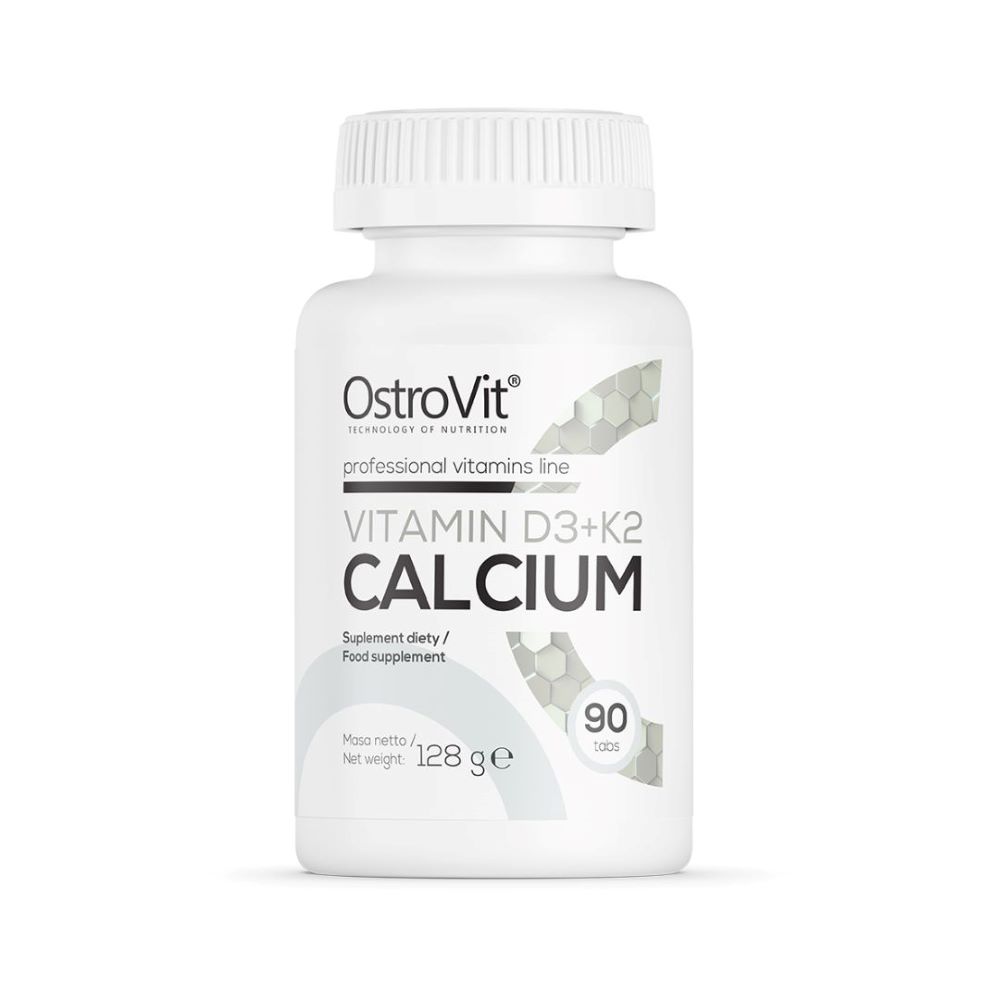
- Vitamin D combo: OstroVit D3 + K2 + Calcium (€9.90)
- Against cramps: OstroVit Magnesium MAX Cramp (4.90€)
All magnesium products are available omegafit.ee online store. Orders placed before 6:30 PM will be shipped the same day. Delivery 1-2 business days to Estonia, Finland, Latvia and Lithuania, free shipping for orders over €49.
If you have any questions, call +372 5562 2534 or write info@omegafit.ee — we’ll help you find the right magnesium for you!
Read other guides too
- Vitamin D Guide — Vitamin D and magnesium complement each other — D requires Mg for absorption
- Zinc Guide — Zinc is another important mineral for athletes, next to magnesium.
- Creatine Guide — Creatine and magnesium are the two most important supplements for an athlete
- Guide to B vitamins — Vitamin B6 improves magnesium absorption